Reina Sofía Museum
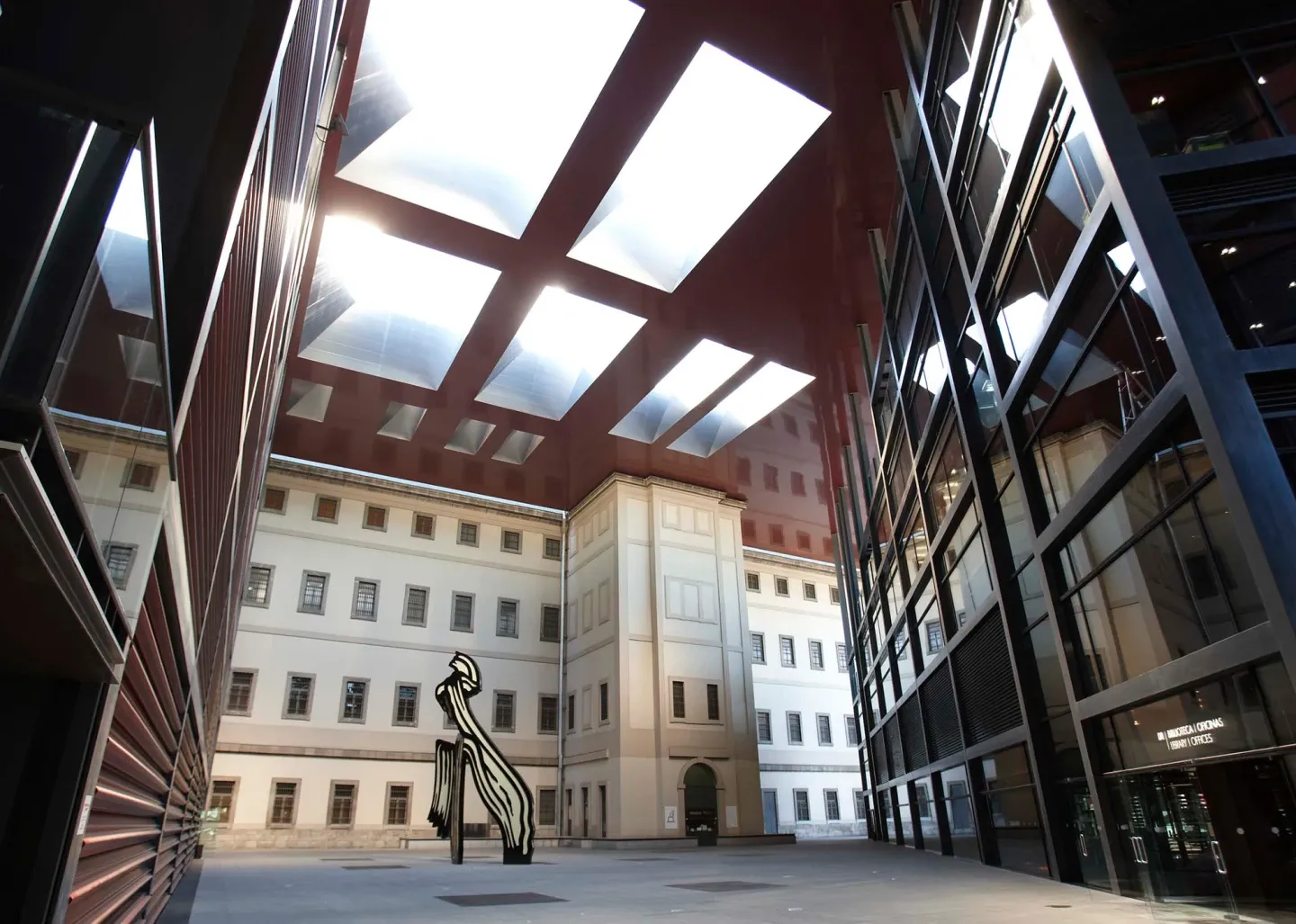
Book herePhilip II founded the first hospital on this site in the 16th century. Two centuries later, Charles III expanded it, with Francisco Sabatini overseeing the works, and the institution continued to treat patients until 1965. In April 1986, the Ministry of Culture, at the initiative of the then Minister Javier Solana and his advisor Carmen Giménez, opened the Reina Sofía Art Centre here, using only two floors of the former hospital for temporary exhibitions. The building has remained open ever since, gradually gaining more space and prestige in different phases: it was granted national museum status in 1988, and in 1990 its complete headquarters were officially inaugurated in the presence of King Juan Carlos I and Queen Sofía.
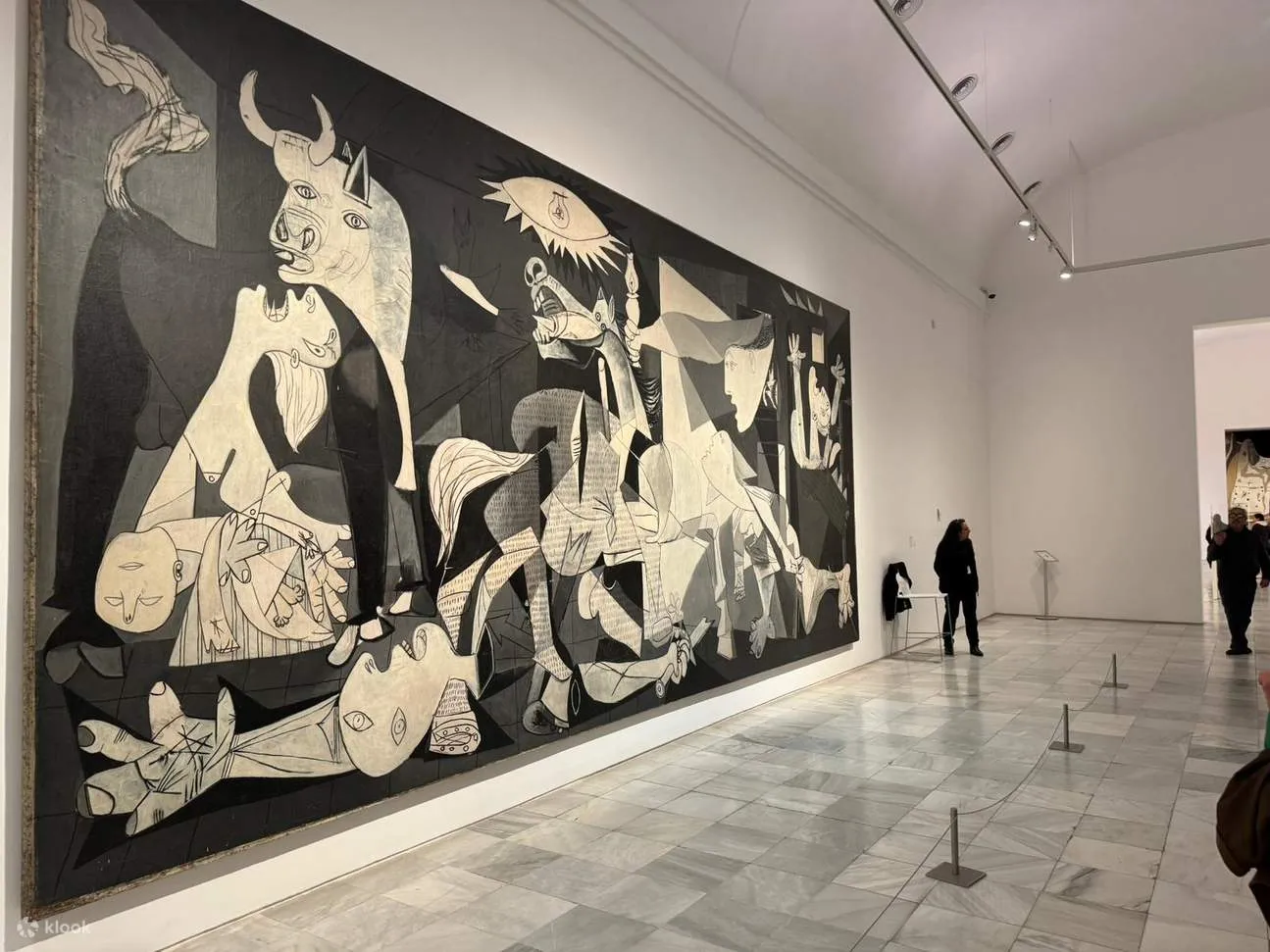
Behind this transformation was, to a large extent, the need to find a permanent home for Picasso’s Guernica, which had returned to Spain in 1981 from the Museum of Modern Art (MoMA) in New York after decades abroad. The painting, however, would take another two years to reach the museum’s walls: it was finally installed on 10 September 1992, following a transfer that involved disputes among Picasso’s heirs, politicians and museum officials, as the artist’s own will had stated that the work should hang in the Prado Museum.
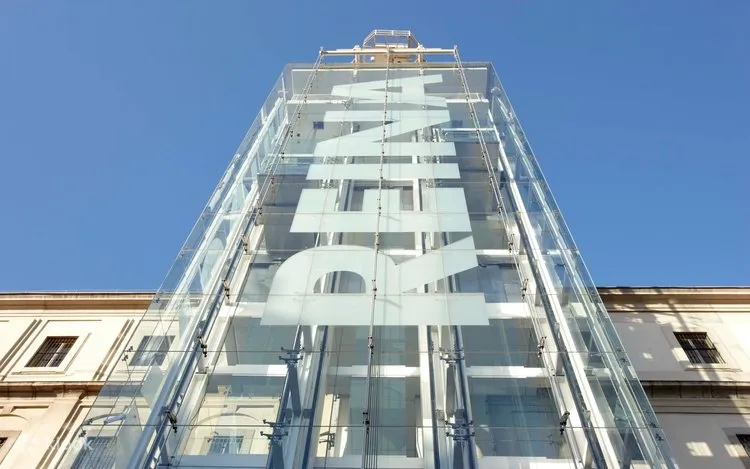
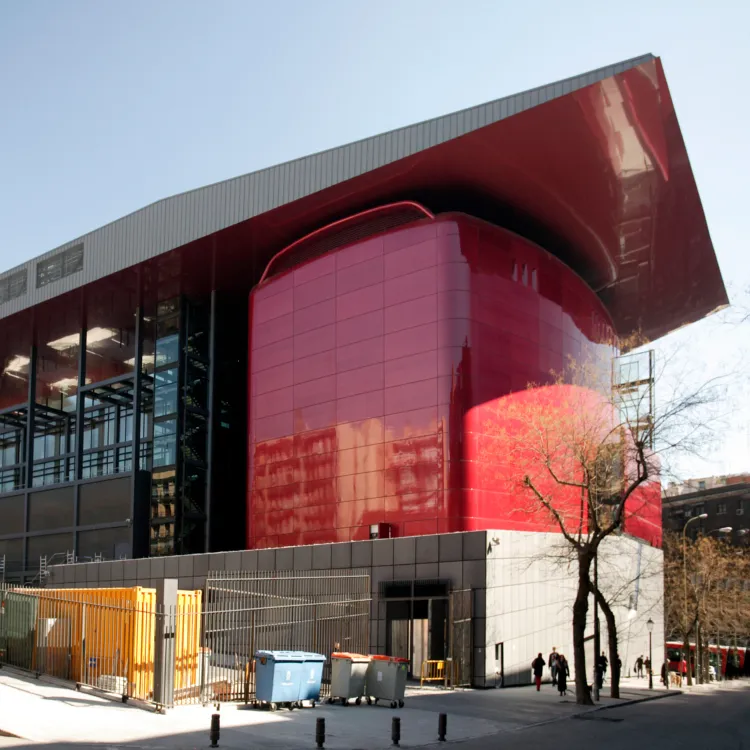
In 2005, Jean Nouvel’s extension, built in glass and steel, increased the museum’s total surface area to more than 84,000 square metres and added the Nouvel Terrace, an open-air space at the top of the building that can now be reserved for private cocktails or dinners, offering views over the rooftops of Madrid’s historic city centre.
The museum also offers private visits outside normal opening hours, including access to the Guernica in a completely empty gallery — an experience that no ordinary visitor can enjoy on a typical day.
Other places
Cerralbo Museum
The House Built to Be a Museum
Real Academia de Bellas Artes de San Fernando & Galería Canalejas
Two landmarks of art and heritage in Madrid
Editor's Pick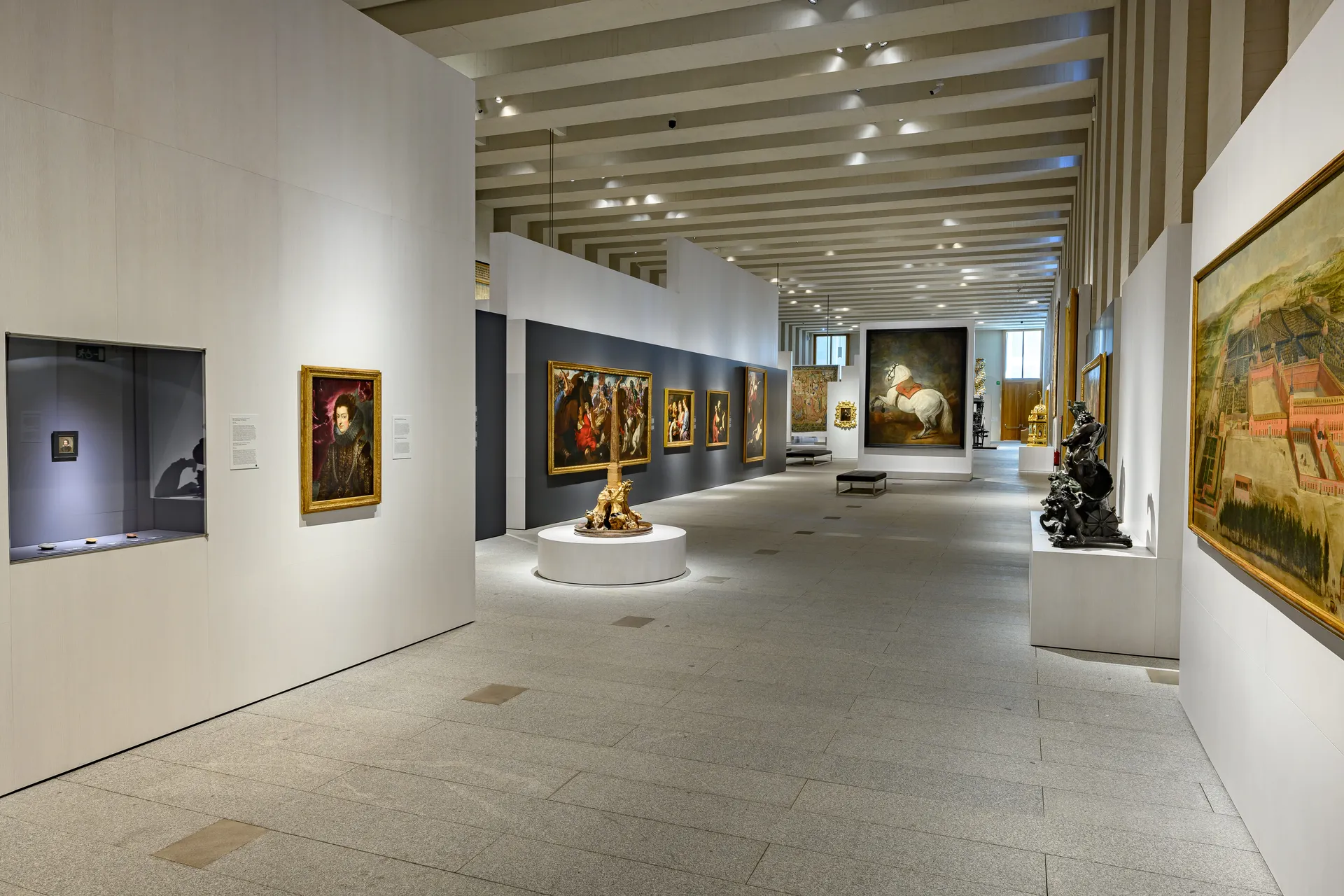
Galería de las Colecciones Reales
The museum that changed Madrid’s cultural landscape.
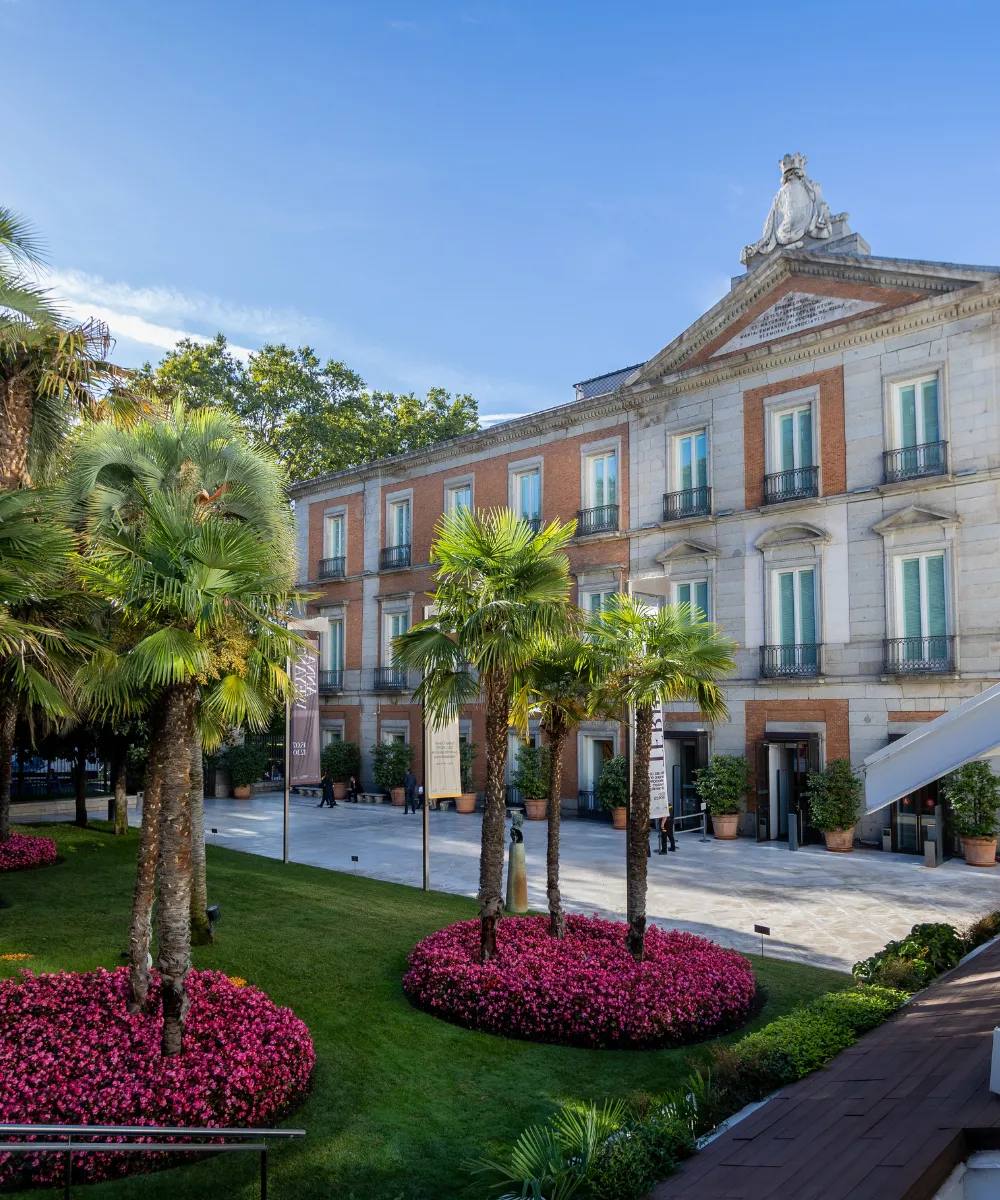
Thyssen-Bornemisza
From a family villa in Lugano to the heart of Paseo del Prado.
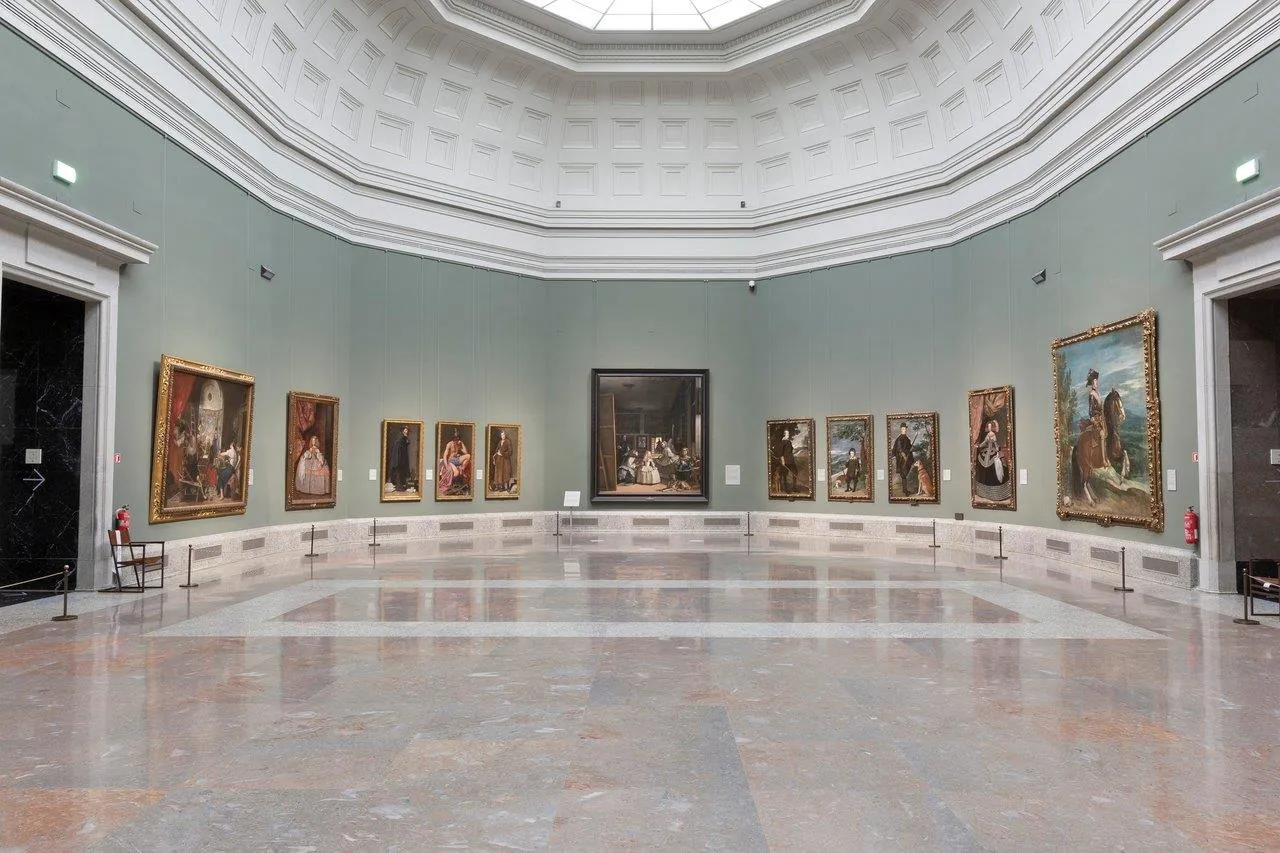
Prado Museum
The royal collection that became a temple of art
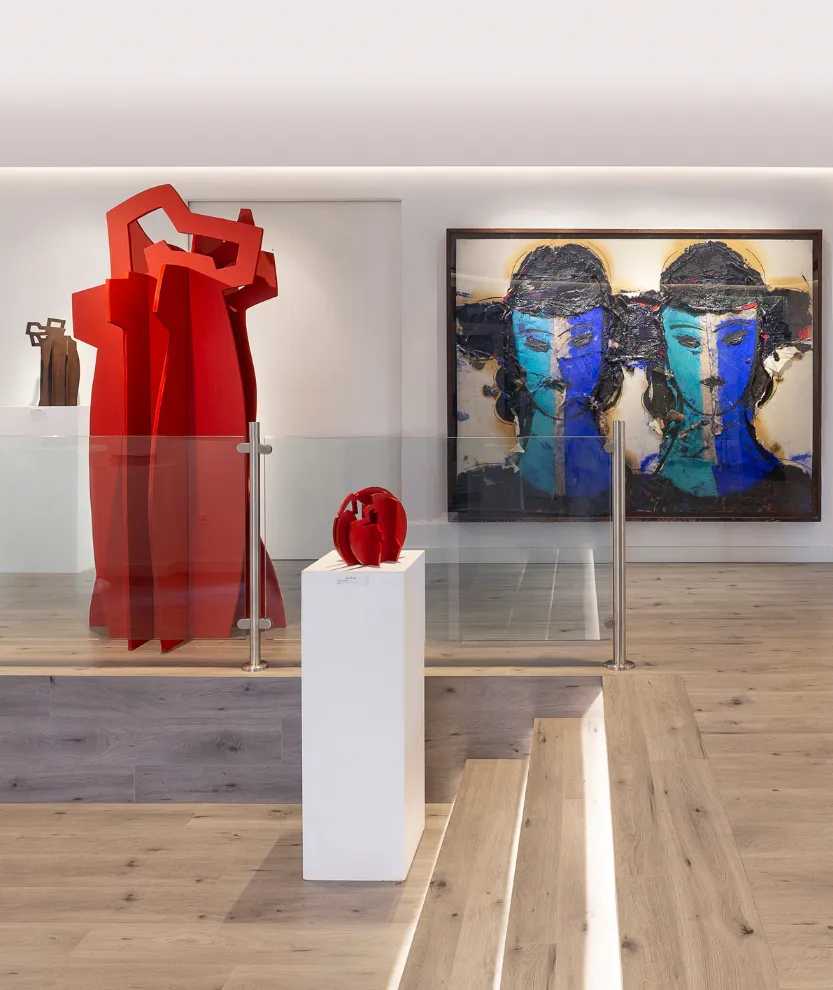
Galería María Porto & David Bardía
Where great masters and emerging talent share the same walls
Editor's Pick