Cerralbo Museum
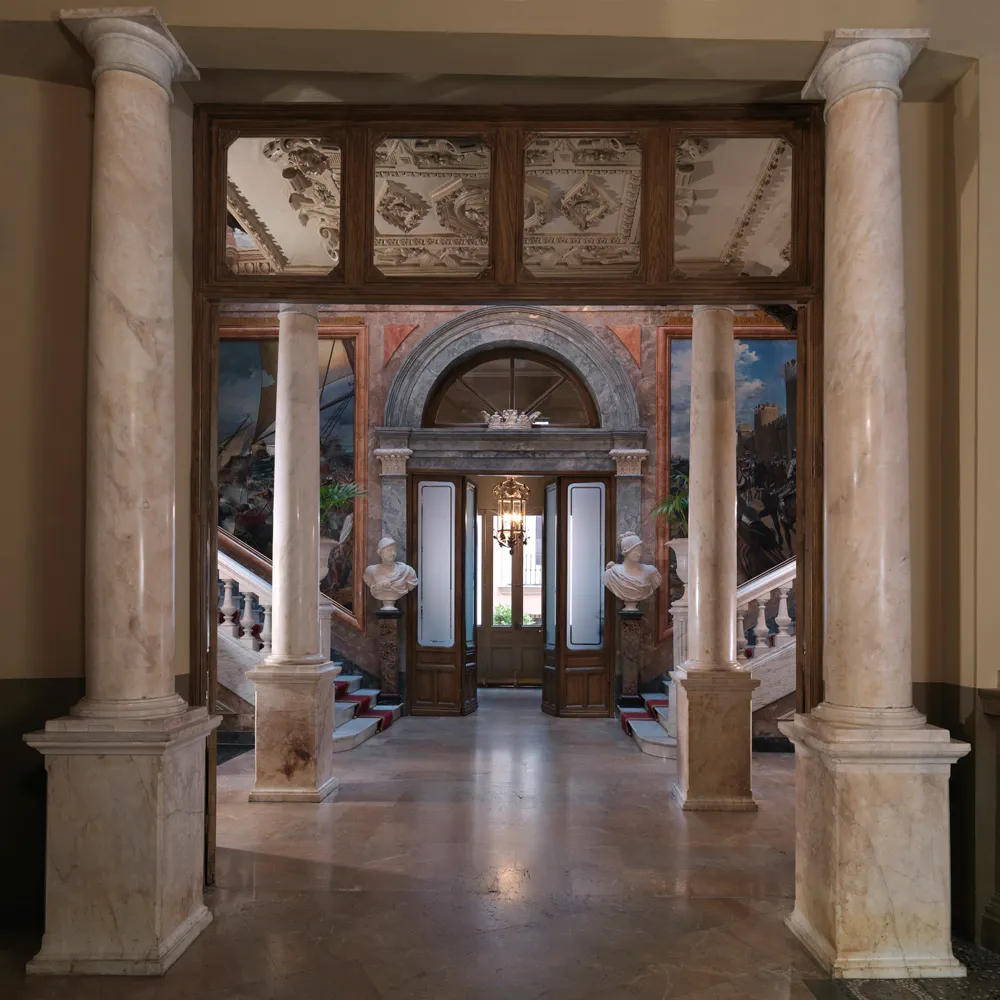
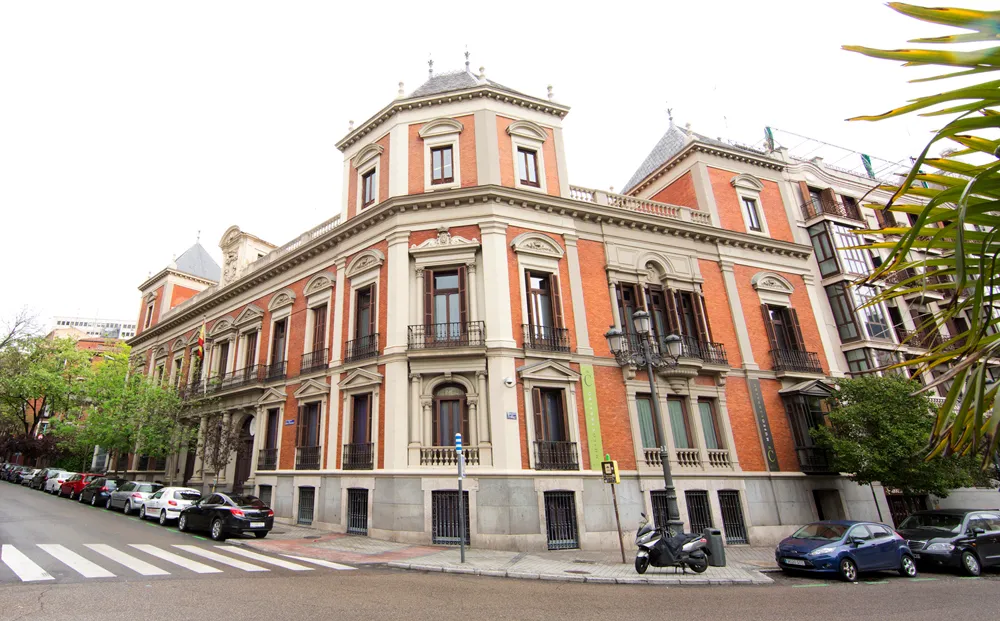
More informationThis family residence and collector’s home was built between 1883 and 1893, just a short walk from the Temple of Debod and Plaza de España. Within a few more minutes on foot, visitors can also reach some of Madrid’s most iconic landmarks, including the Royal Palace and Parque del Oeste.
Enrique de Aguilera y Gamboa, the 17th Marquis of Cerralbo, assembled an extraordinary collection during his travels throughout Spain and Europe. Today, it comprises more than 50,000 objects, including paintings by El Greco, Goya and Van Dyck, as well as tapestries, armour, coins and archaeological artefacts. He acquired works from antique dealers, estate sales and Madrid’s famous El Rastro flea market, as well as at the Hôtel Drouot in Paris, one of Europe’s leading auction houses.
The collection was also the result of a family effort. His wife, Inocencia Serrano, oversaw the day-to-day management of the palace; his stepson, Antonio del Valle, a passionate numismatist, greatly expanded the museum’s coin collection; and his granddaughter, Amelia del Valle, played a crucial role in ensuring that the collection remained intact after the Marquis’s death, earning recognition as the museum’s co-founder.
Upon Enrique’s death, the palace and its collections were bequeathed to the Spanish State on one condition: that they should always remain together and be open to the public. Today, the Cerralbo Museum is one of the very few 19th-century palaces in Madrid to preserve both its original building and its collections intact, thanks in part to the meticulous inventory compiled in 1924 by Juan Cabré, the museum’s first director, based on historical photographs.
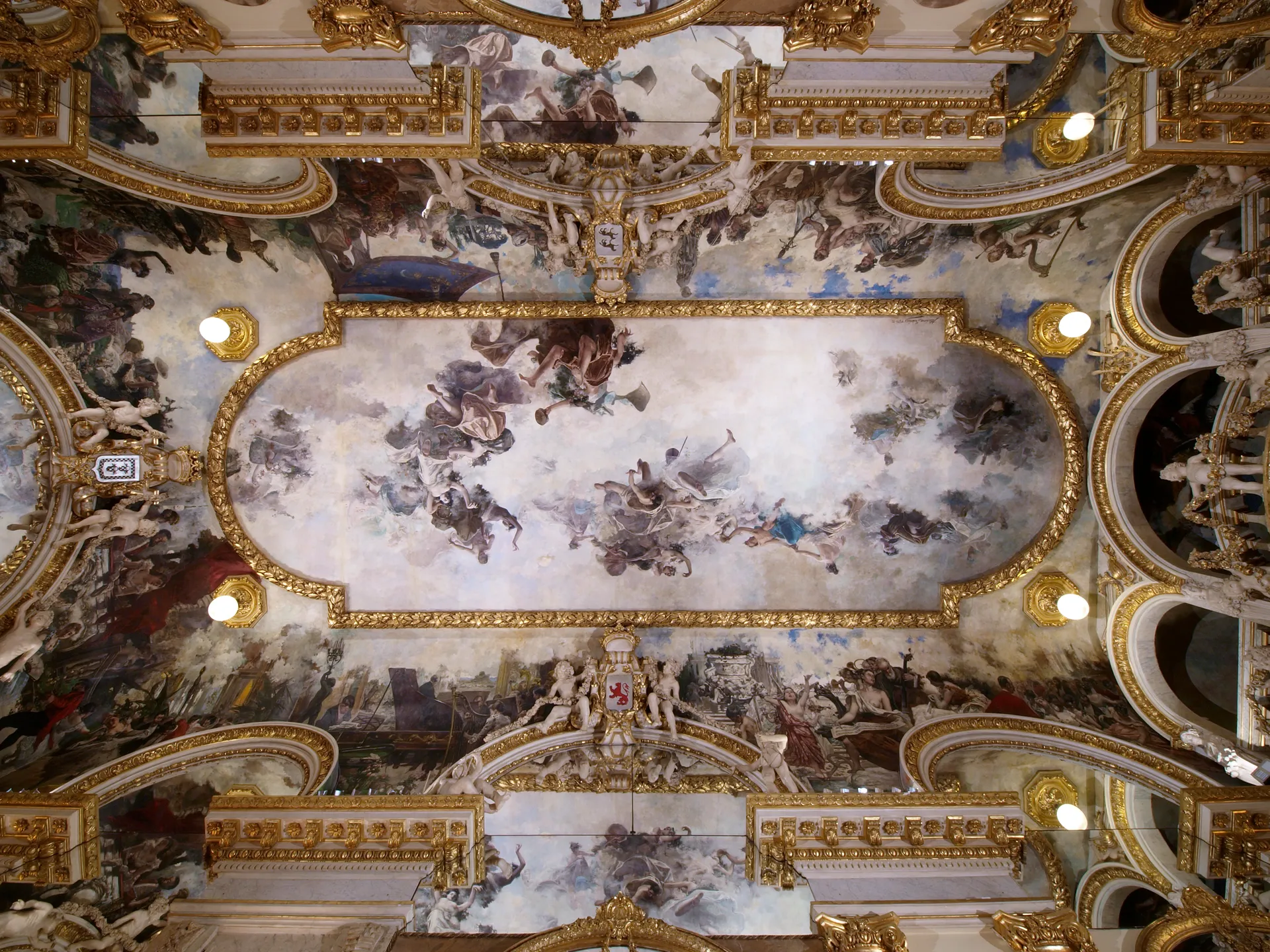
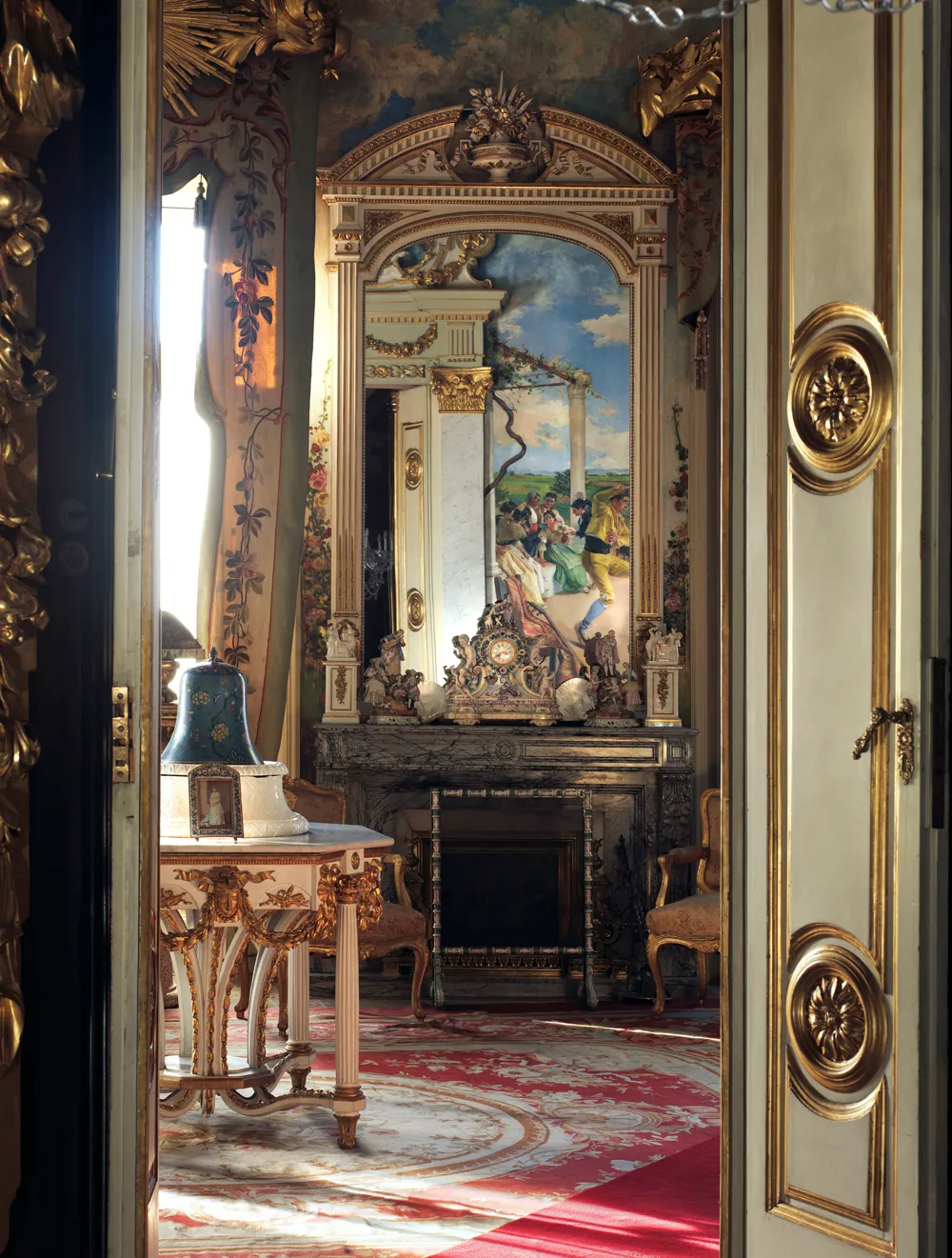
Among its most remarkable rooms is the Rococo-style ballroom, adorned with mirrors and frescoes, where musicians once performed from a concealed gallery. The room also features an unusual clock with a hidden mechanism located beneath the pendulum. The Arab Room reflects the 19th-century fascination with Orientalism, while the two-storey library houses rare incunabula alongside the family’s outstanding numismatic collection.
Other places
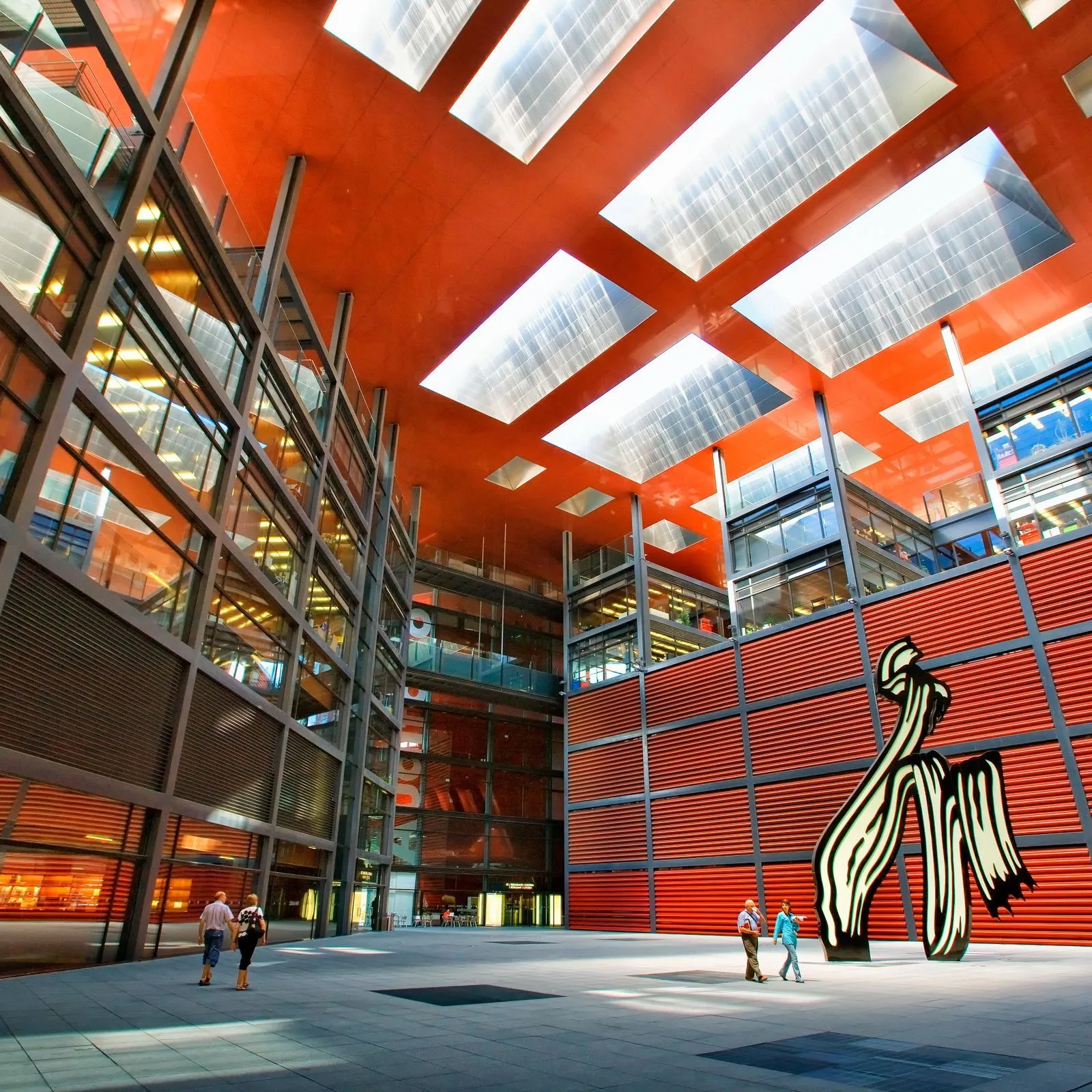
Reina Sofía Museum
From historic hospital to home of Picasso’s Guernica
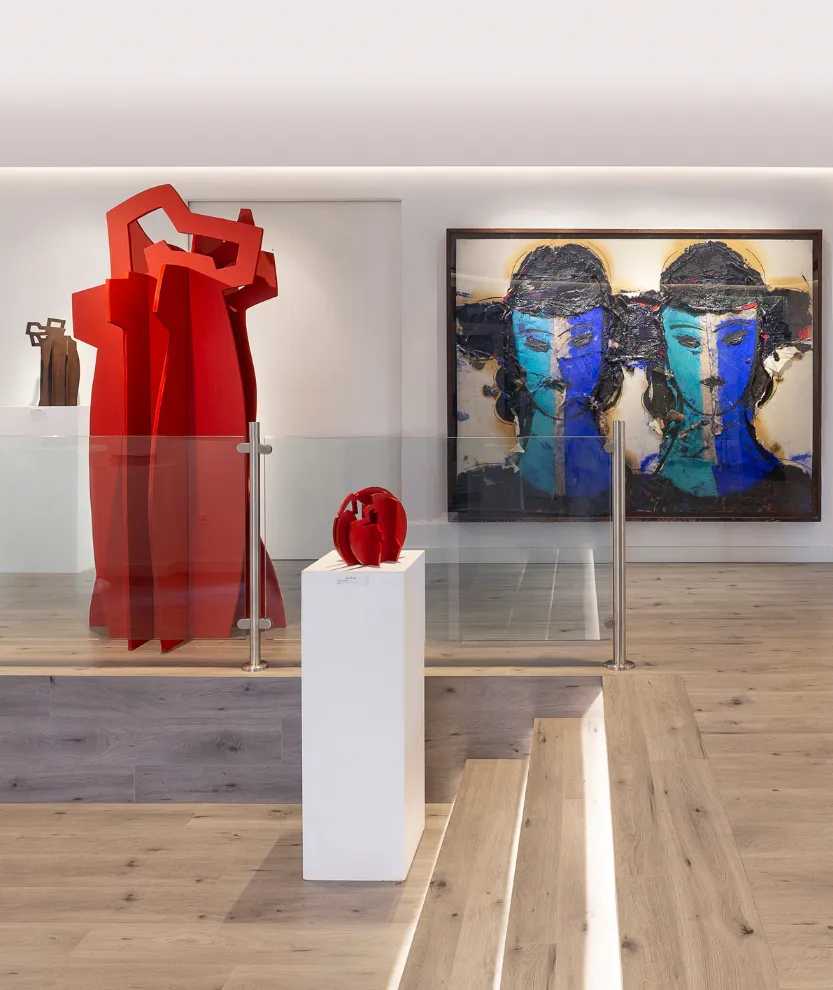
Galería María Porto & David Bardía
Where great masters and emerging talent share the same walls
Editor's Pick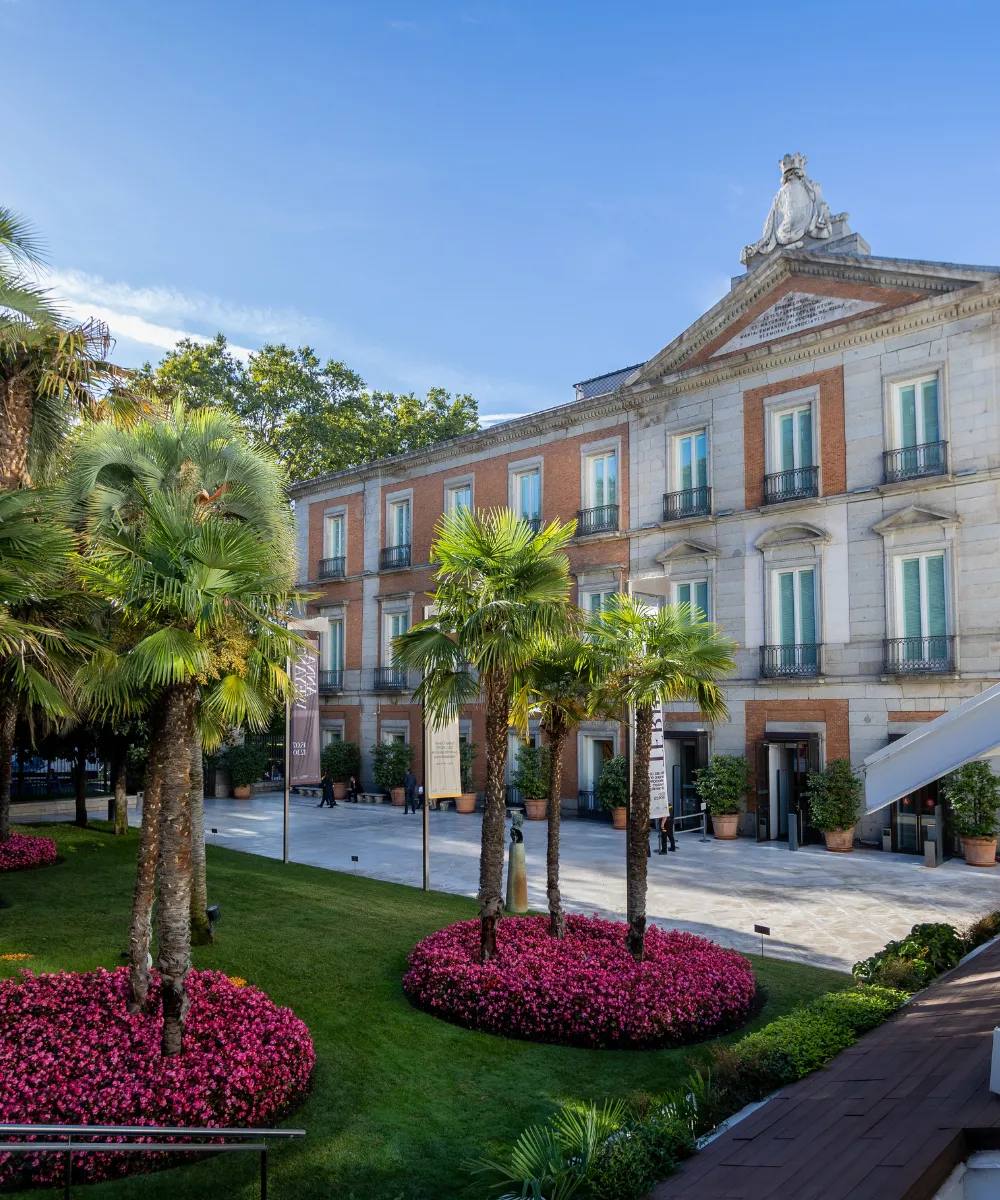
Thyssen-Bornemisza
From a family villa in Lugano to the heart of Paseo del Prado.
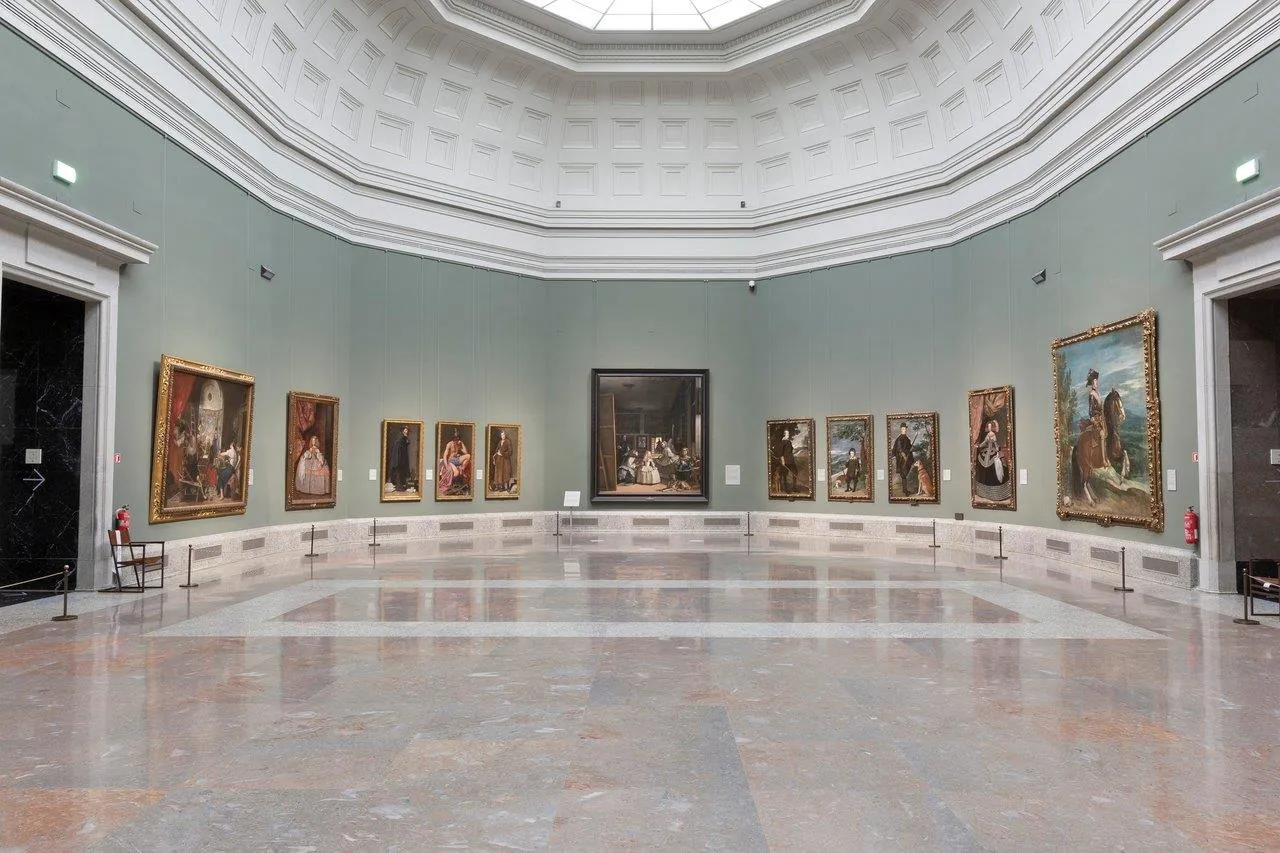
Prado Museum
The royal collection that became a temple of art
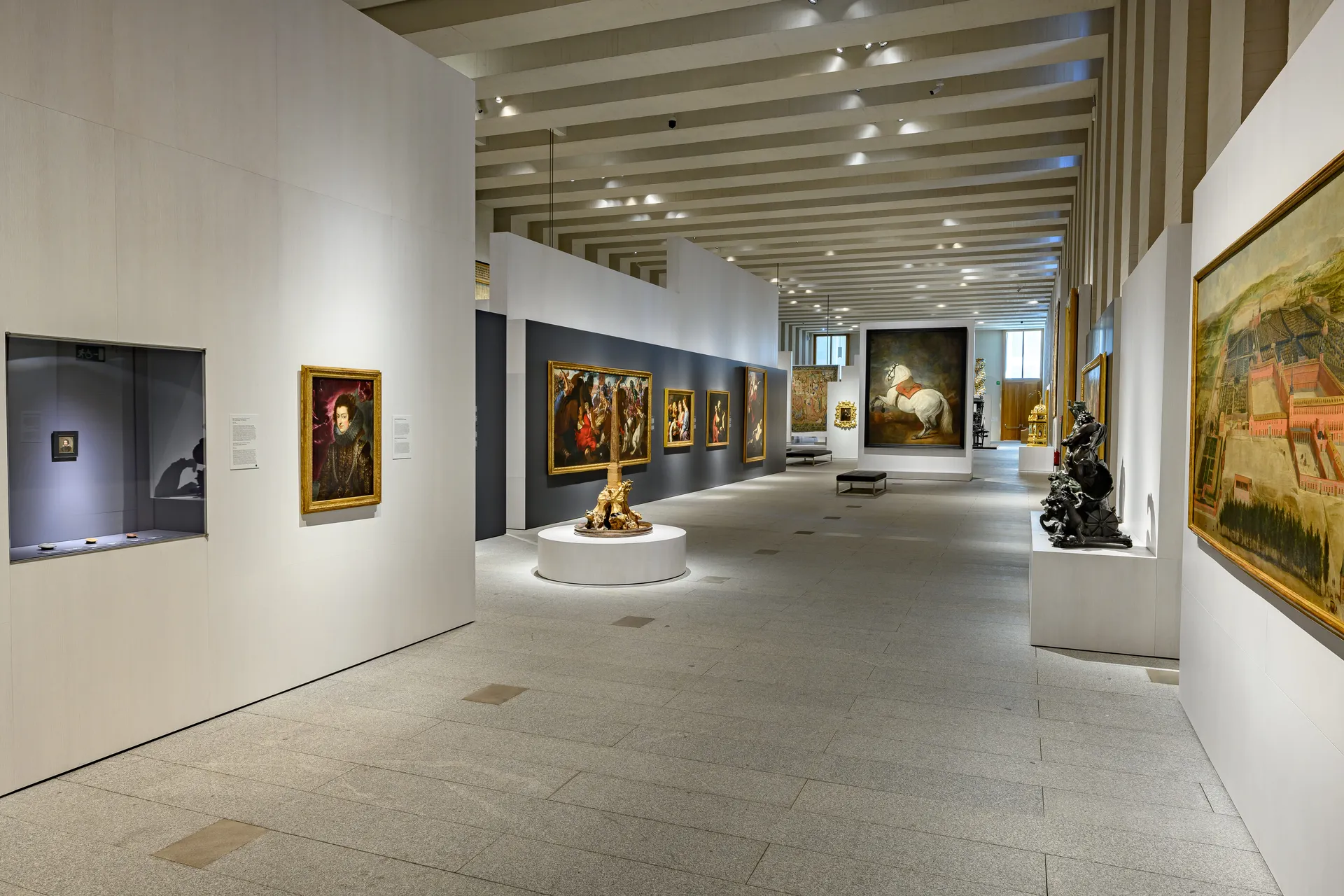
Galería de las Colecciones Reales
The museum that changed Madrid’s cultural landscape.
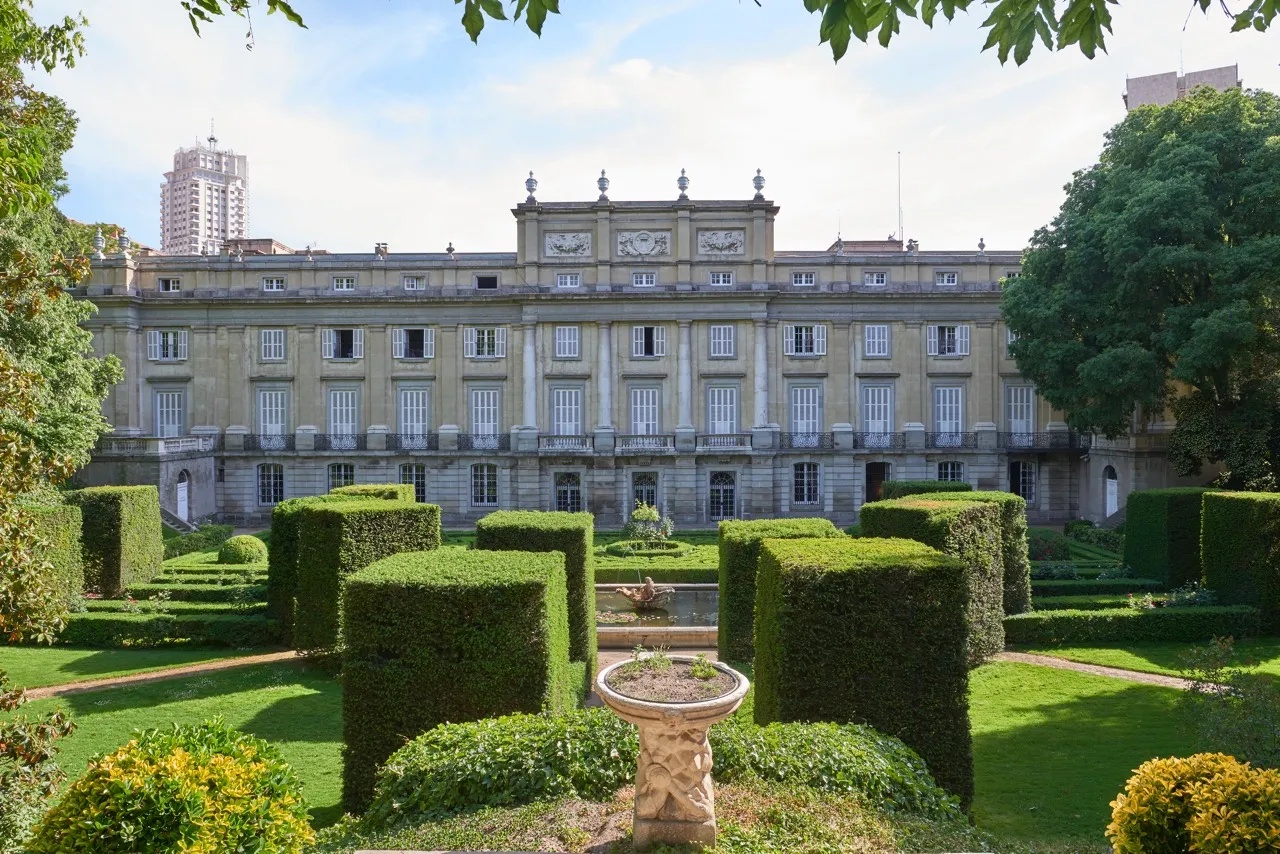
Palacio de Liria
The remarkable heritage of one of the most influential families in Spanish history.