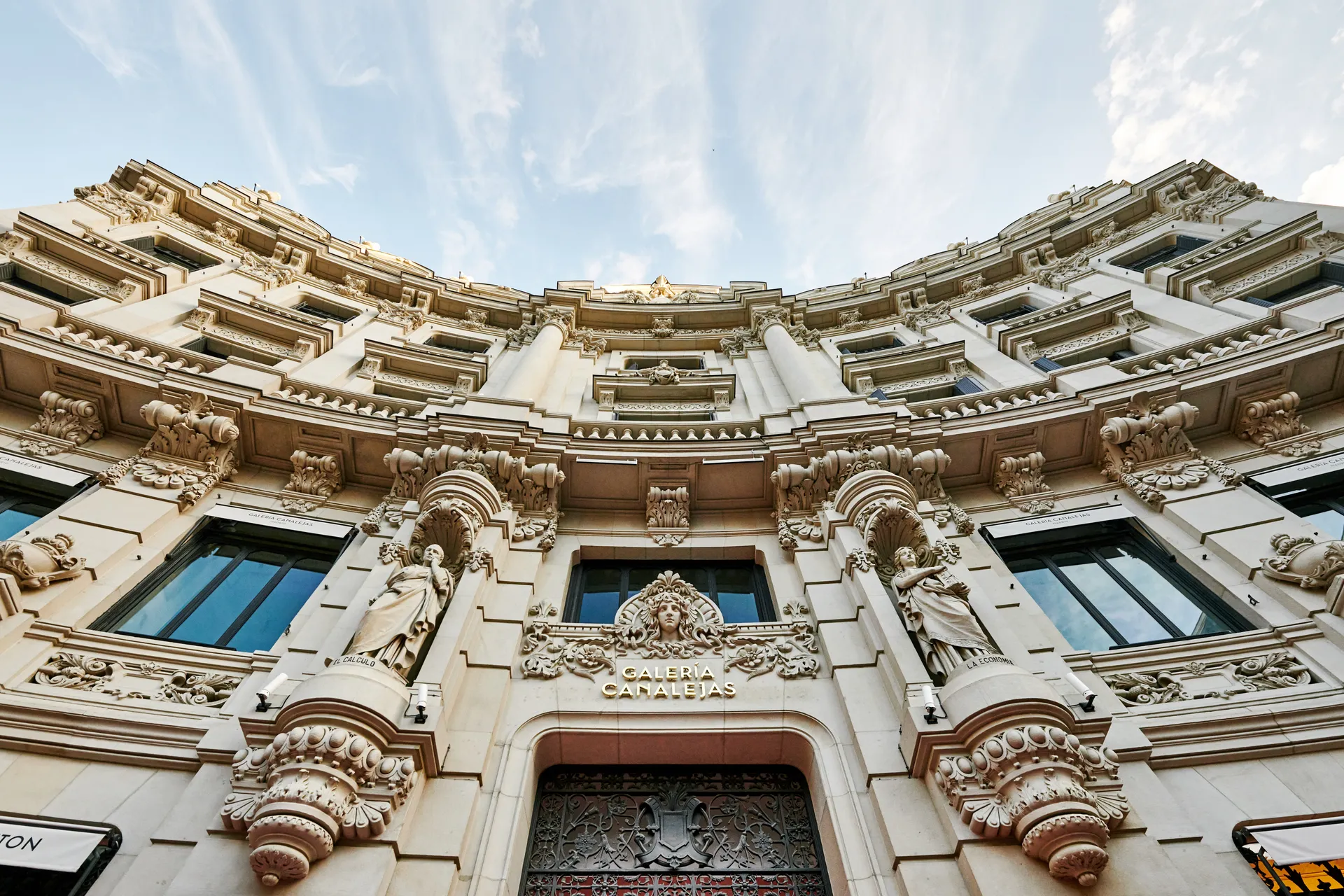
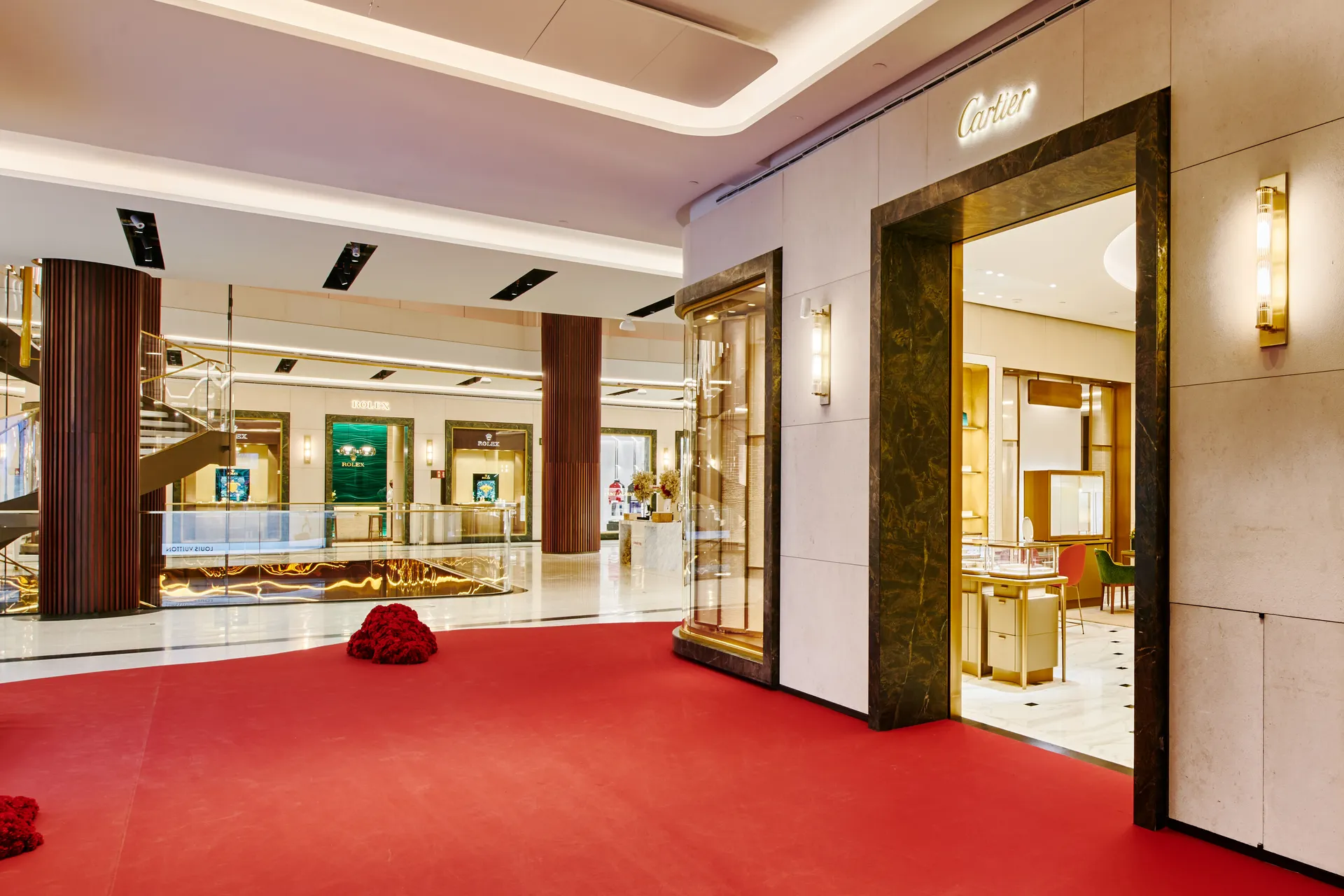
Real Academia de Bellas Artes de San Fernando & Galería Canalejas
More informationAt the heart of Madrid stands a museum with more than two hundred fifty years of history, holding an enormous art collection made up of more than fifteen hundred paintings, an equal number of sculptures, and a collection of drawings, prints, and decorative arts totaling tens of thousands of pieces. This is the home of the Real Academia de Bellas Artes de San Fernando, founded in 1752.
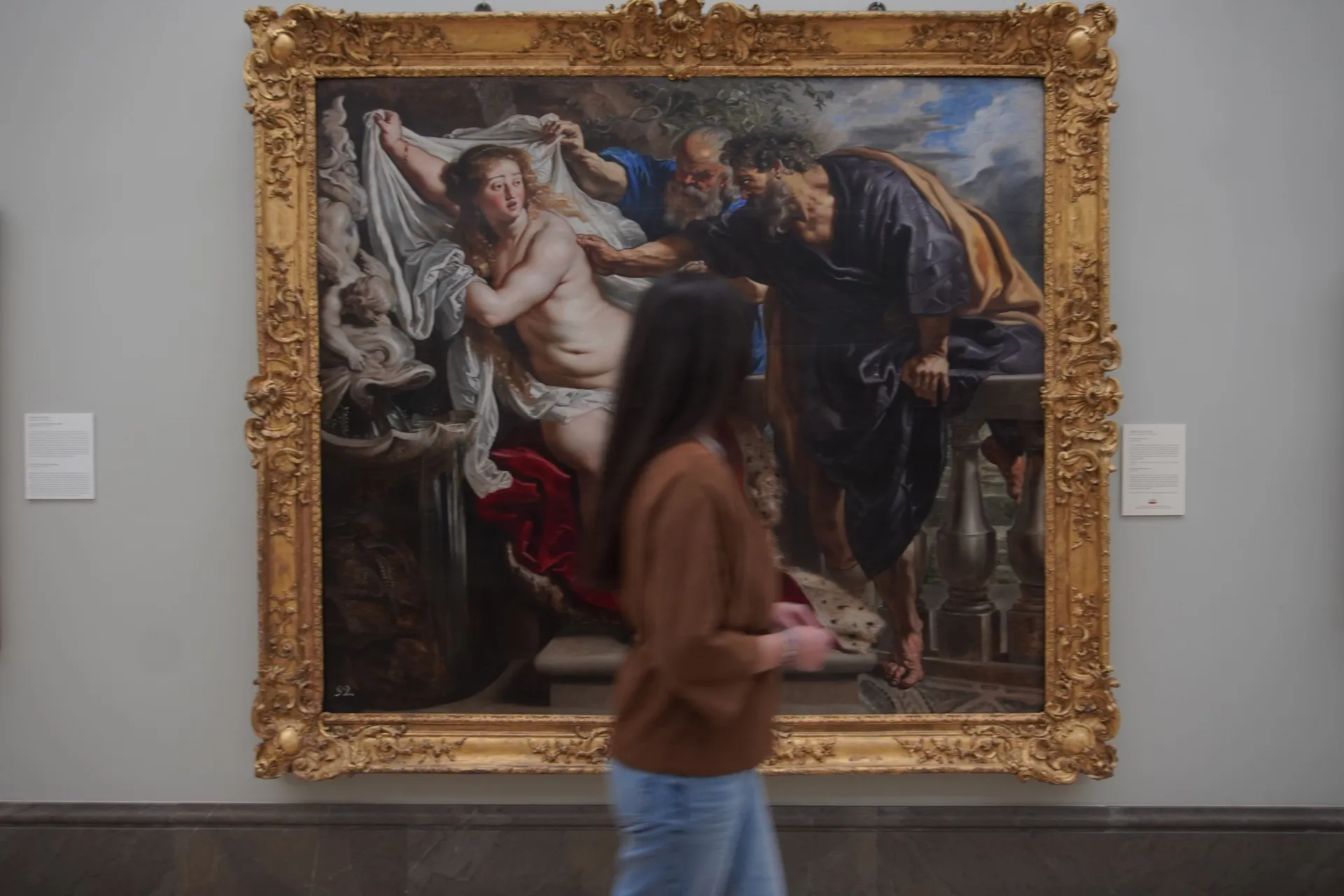
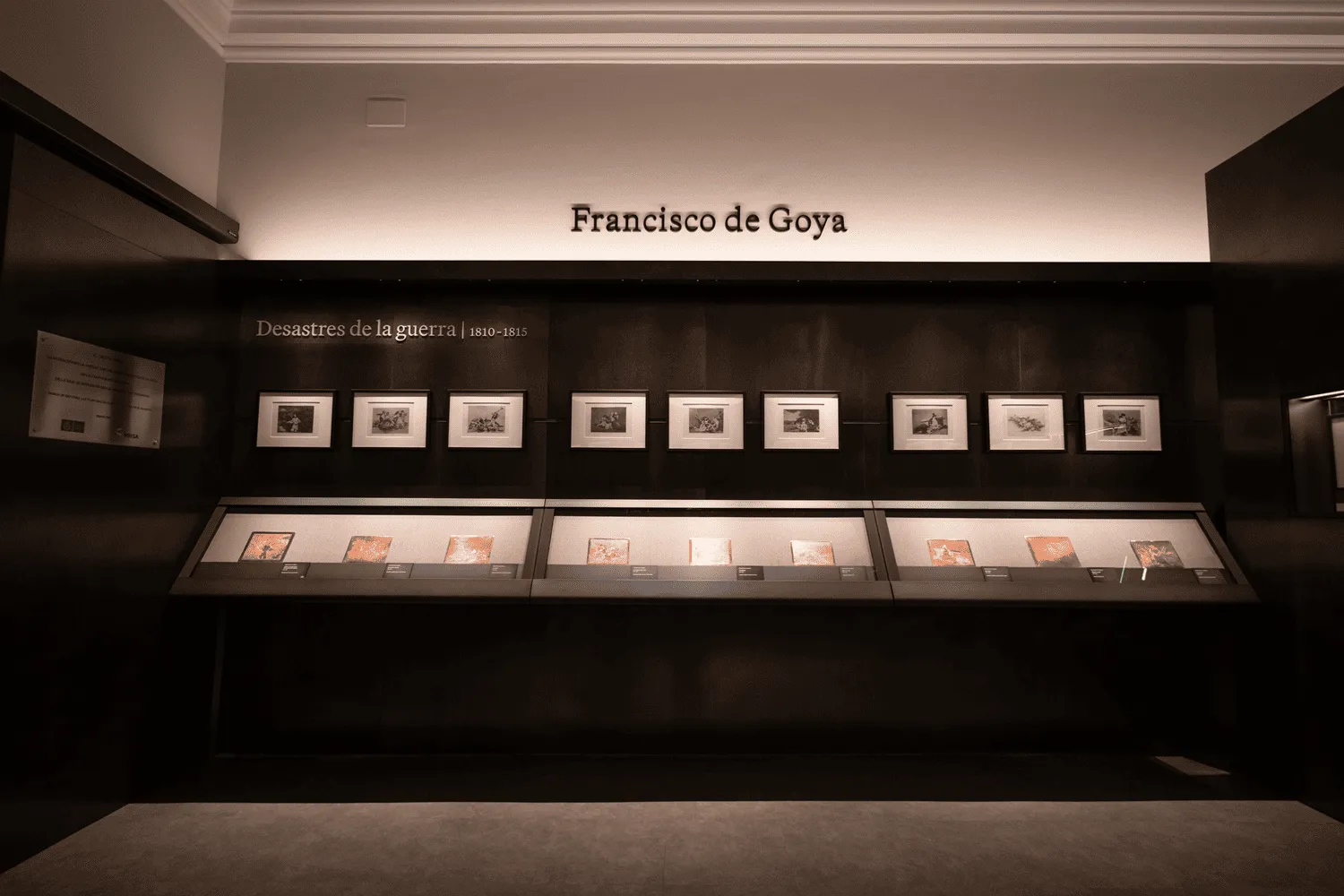
What makes this collection truly special is its historical depth. Goya was a member and professor of the Academy from 1780, and the museum preserves thirteen of his works, including two self-portraits and The Burial of the Sardine. Alongside him are an Arcimboldo—the only one preserved in Spain—a 1636 Magdalene by Ribera, The Knight’s Dream by Pereda, scenes by Rubens and Zurbarán, portraits by Mengs and Van Loo, and an extensive representation of 19th-century art featuring Sorolla, Madrazo, and Vicente López.
The sculpture collection follows its own narrative, from Manuel Pereira’s Saint Bruno to Picasso’s Head of a Woman, including works by Pedro de Mena and Mariano Benlliure.
For those who have already explored Madrid’s major museums, the Academy offers something different: a more intimate experience, with a unique perspective. For two centuries, it was the institution that established the standards of art in Spain, awarded financial support to promising artists to study in Rome, and gathered works that never reached any other museum.
In many ways, it is the history of Spanish art told from within.
Other places
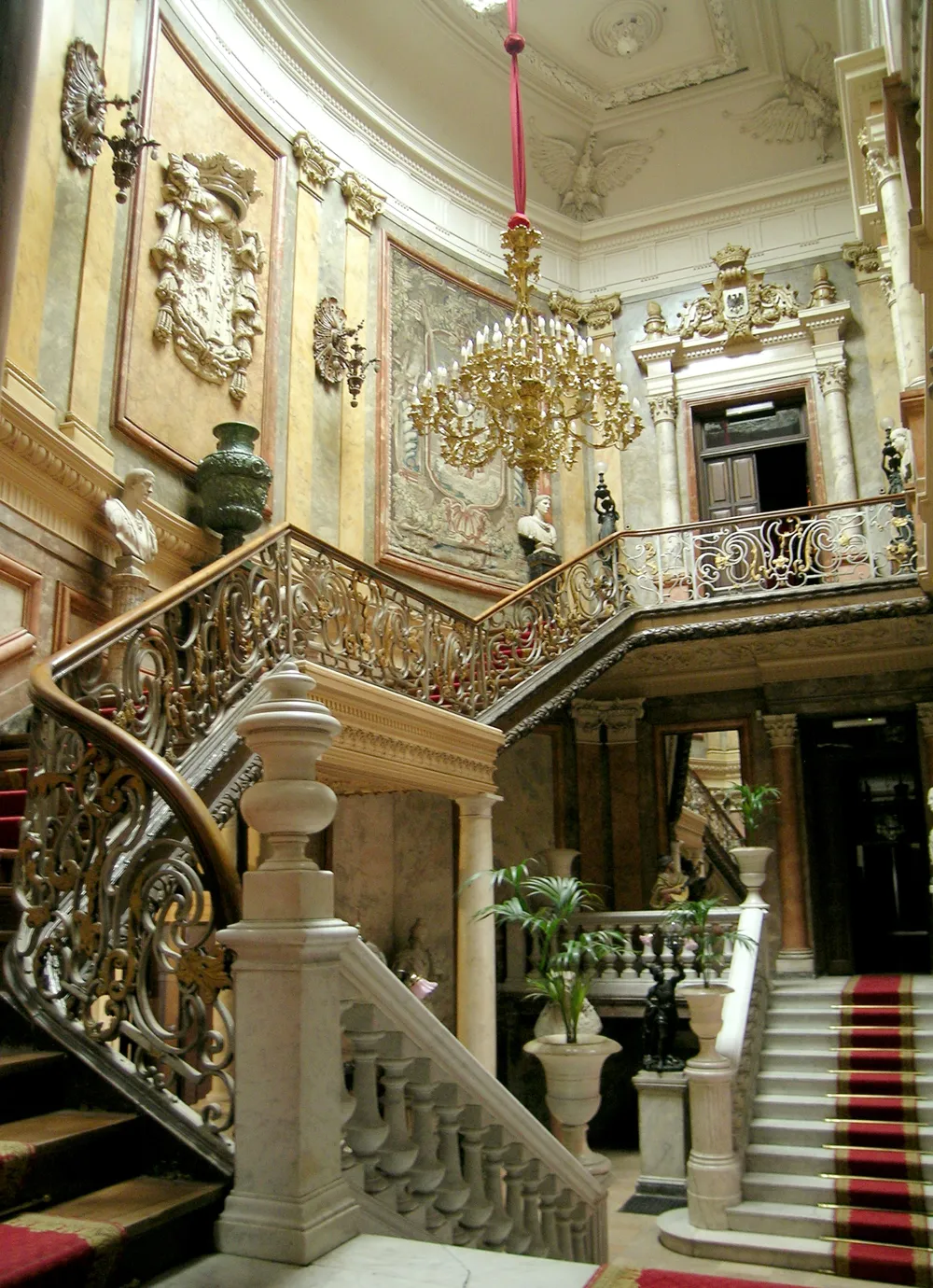
Cerralbo Museum
The House Built to Be a Museum
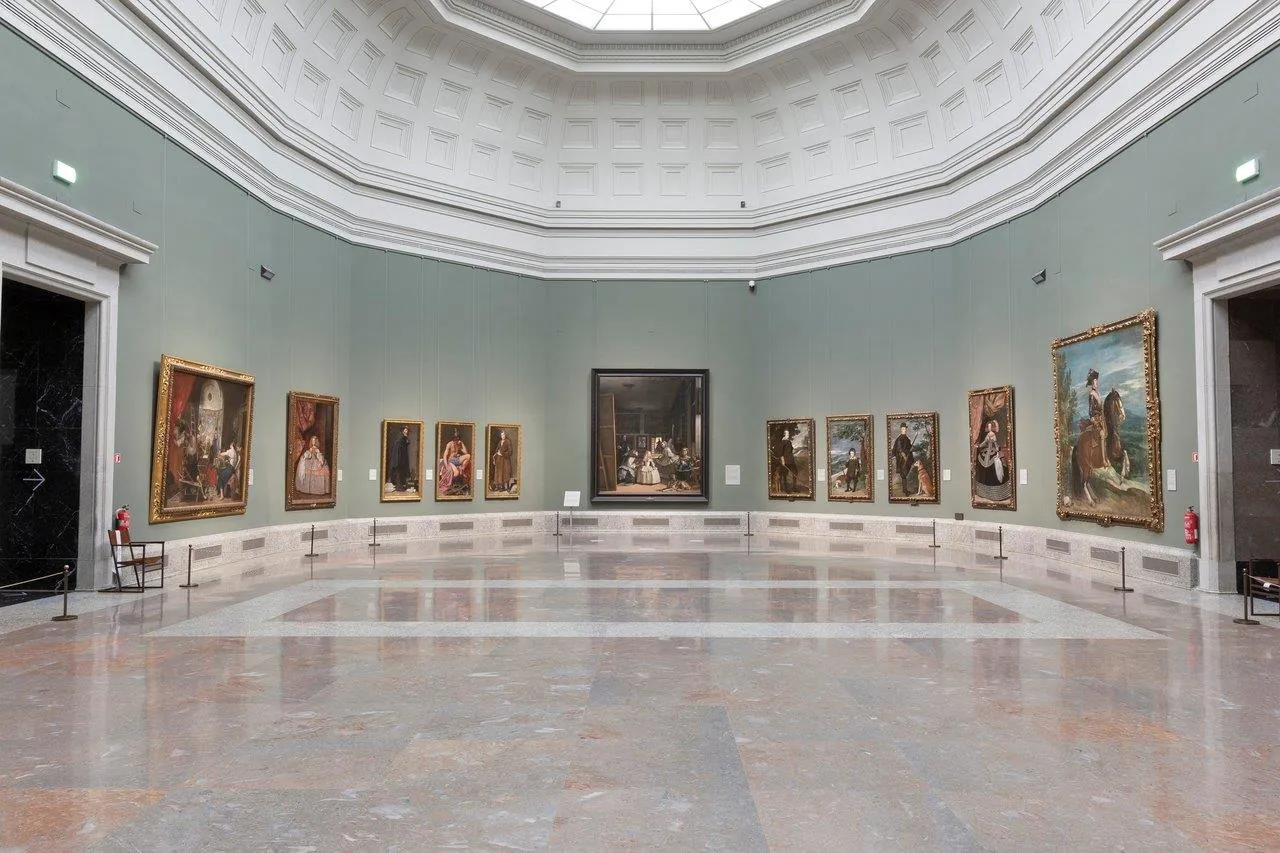
Prado Museum
The royal collection that became a temple of art
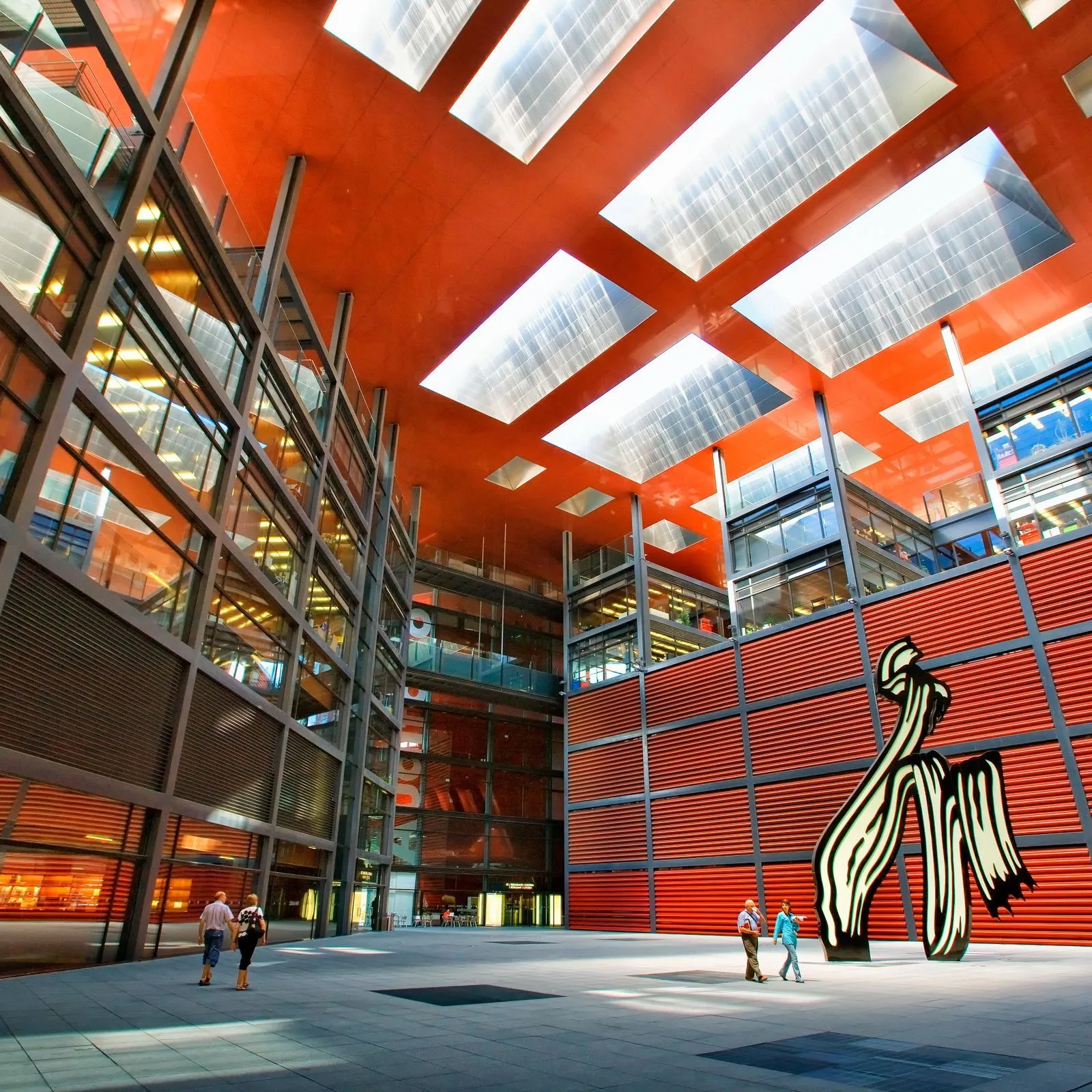
Reina Sofía Museum
From historic hospital to home of Picasso’s Guernica
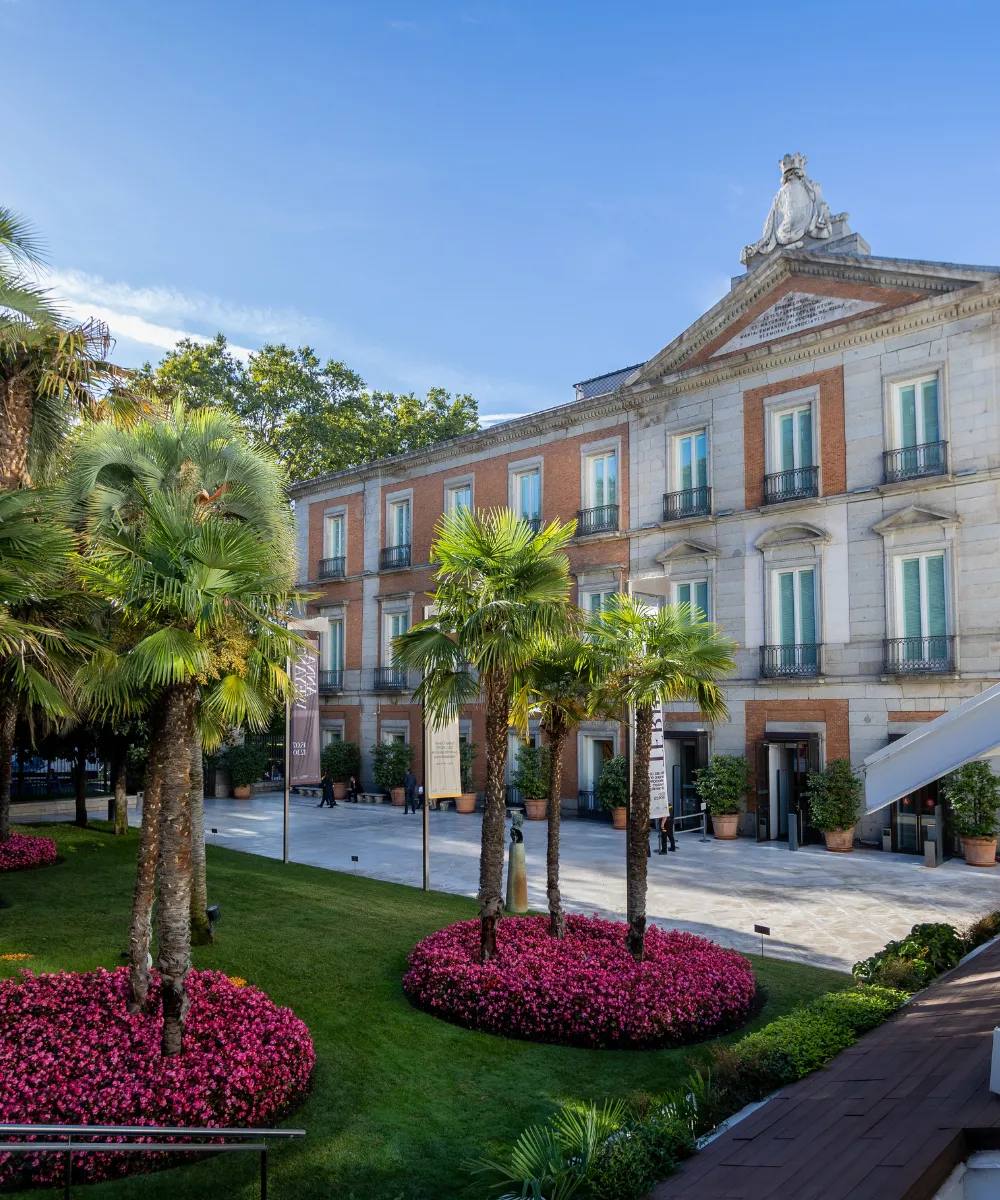
Thyssen-Bornemisza
From a family villa in Lugano to the heart of Paseo del Prado.
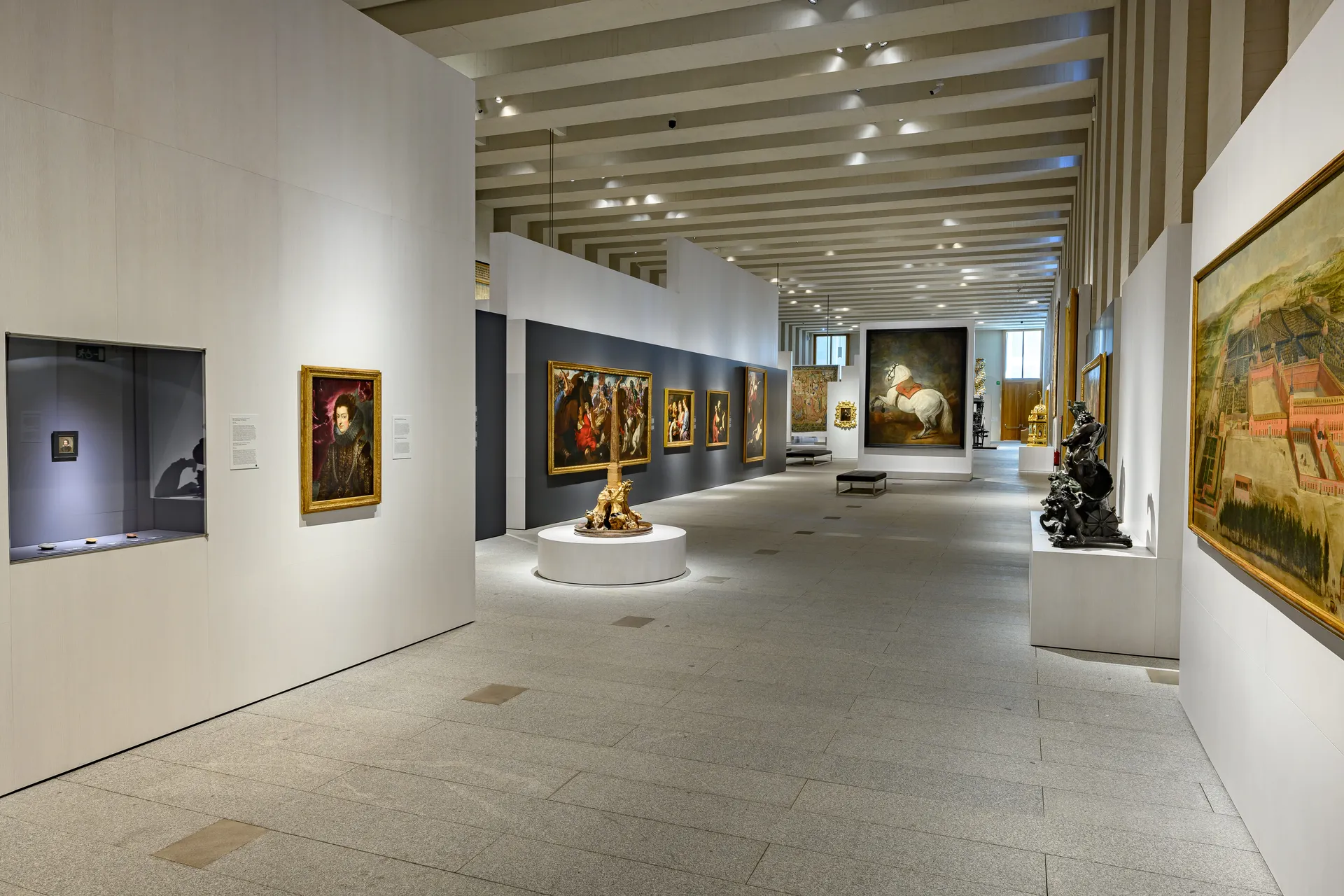
Galería de las Colecciones Reales
The museum that changed Madrid’s cultural landscape.
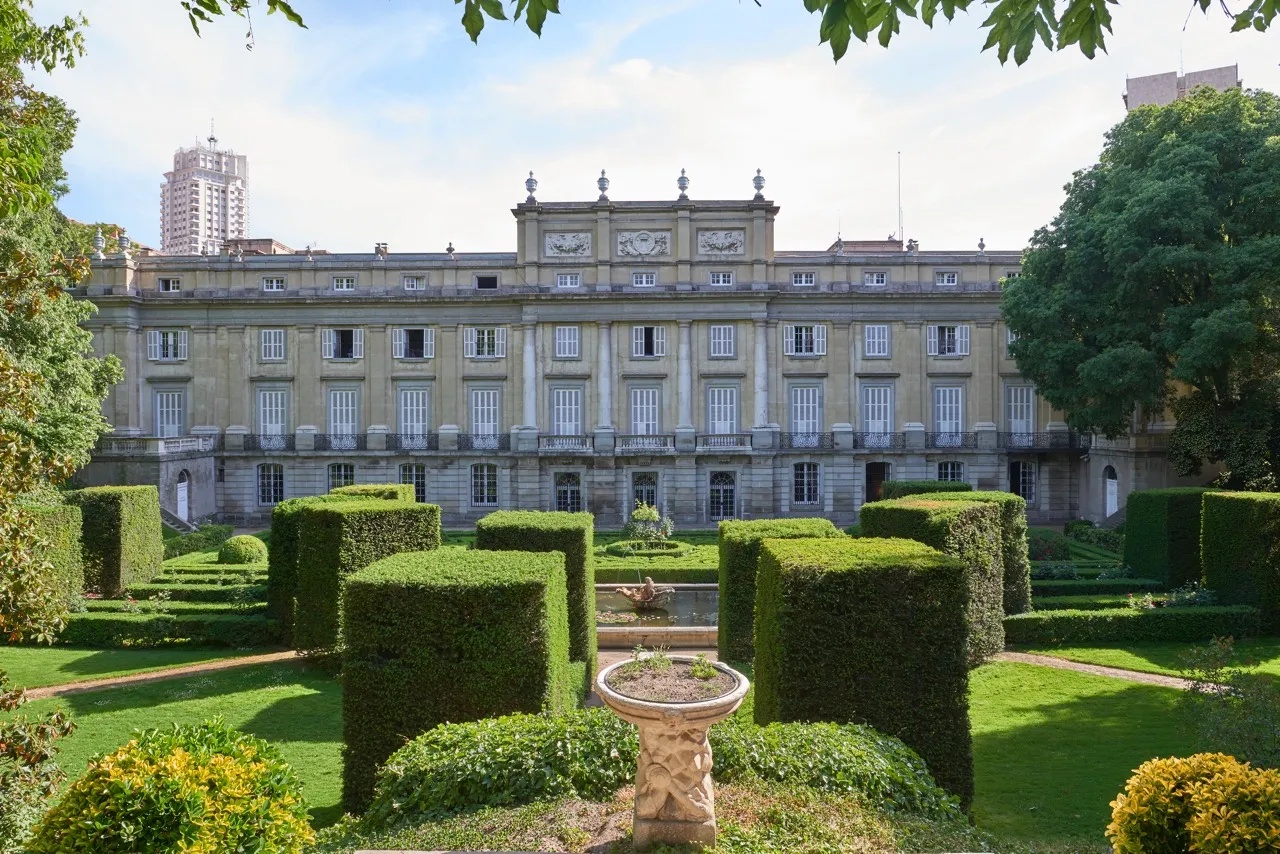
Palacio de Liria
The remarkable heritage of one of the most influential families in Spanish history.