Prado Museum
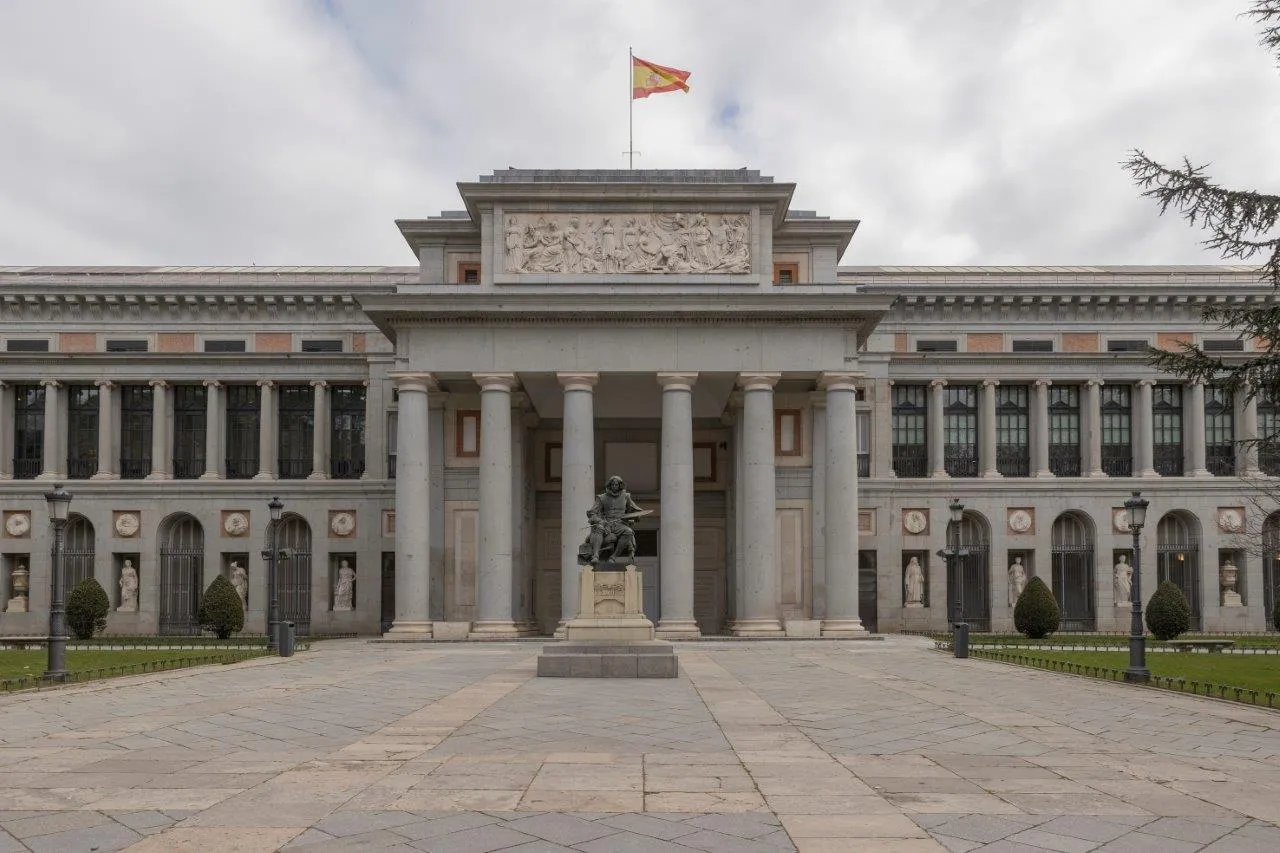
Book hereThe building was designed in 1785 by Juan de Villanueva, the architect who best represented Spanish Neoclassicism and who also created Madrid’s Royal Observatory. Charles III commissioned it as a Natural History Cabinet, but the French invasion left the construction unfinished. It was Ferdinand VII who, in 1818, decided by royal decree to transform the building into a museum of paintings, encouraged by his wife, Isabella of Braganza.
The first catalogue, published on the day of the museum’s inauguration on 19 November 1819, included 311 paintings, almost all from the Spanish school. However, the building already housed more than 1,500 works brought from the Royal Sites — the different residences of the Crown, such as El Escorial, Aranjuez and the Royal Palace — where they had been accumulated over centuries. The collection grew according to the personal tastes of Spain’s monarchs: Charles V favoured tapestries and weapons, but Philip II promoted painting until it became the centrepiece of court culture. In 1868, following the fall of Isabella II, the museum ceased to belong to the Crown and became state property.
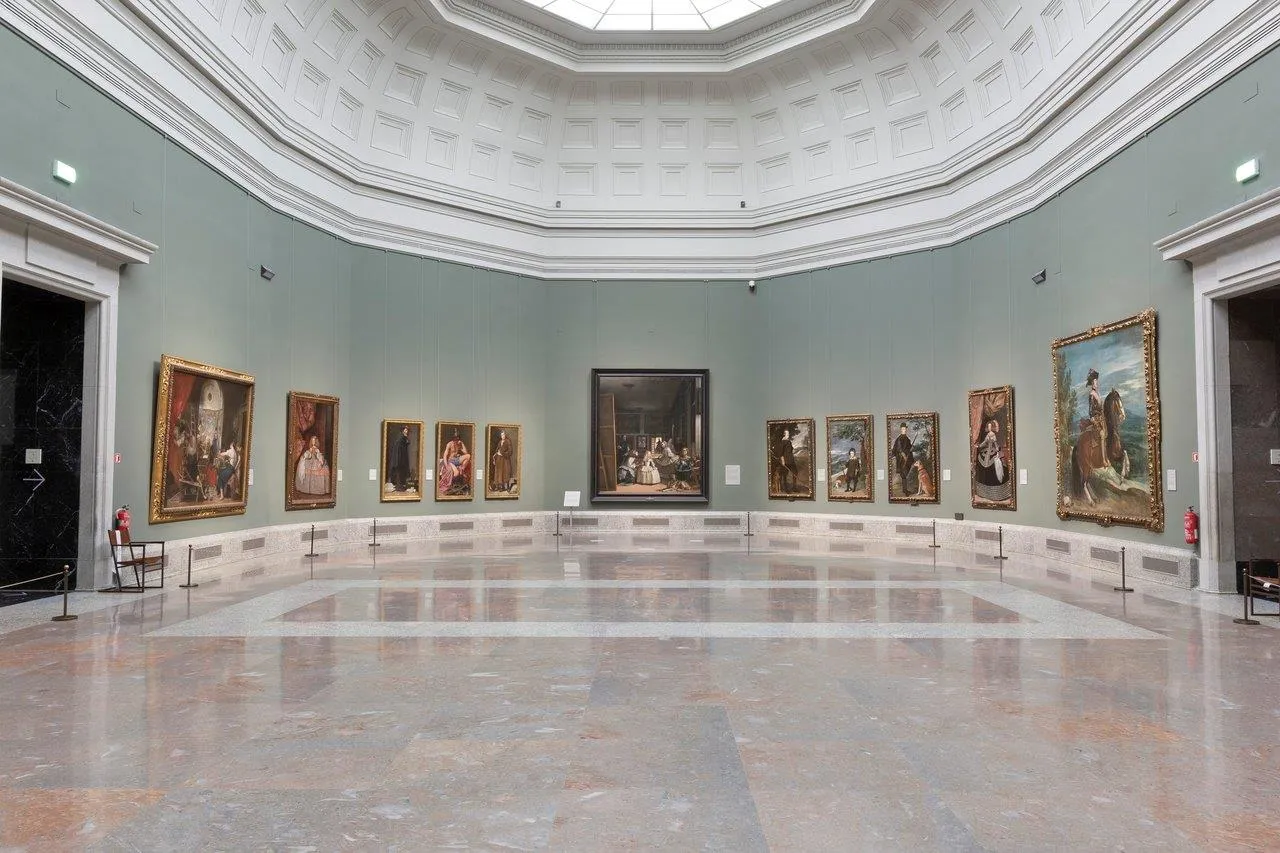
Several fascinating stories surround some of its most famous works. Goya’s Black Paintings were not originally created on canvas: the artist painted them directly onto the walls of his house overlooking the Manzanares River, and they were not transferred to canvas until 1874. Bosch’s The Garden of Earthly Delights, meanwhile, has been part of the royal collection since the 16th century.
A very different experience from a regular visit is the possibility of entering one hour before the official opening, in a small group accompanied by an art historian, to admire Las Meninas, Bosch’s masterpieces and the Black Paintings almost entirely on your own.
Other places
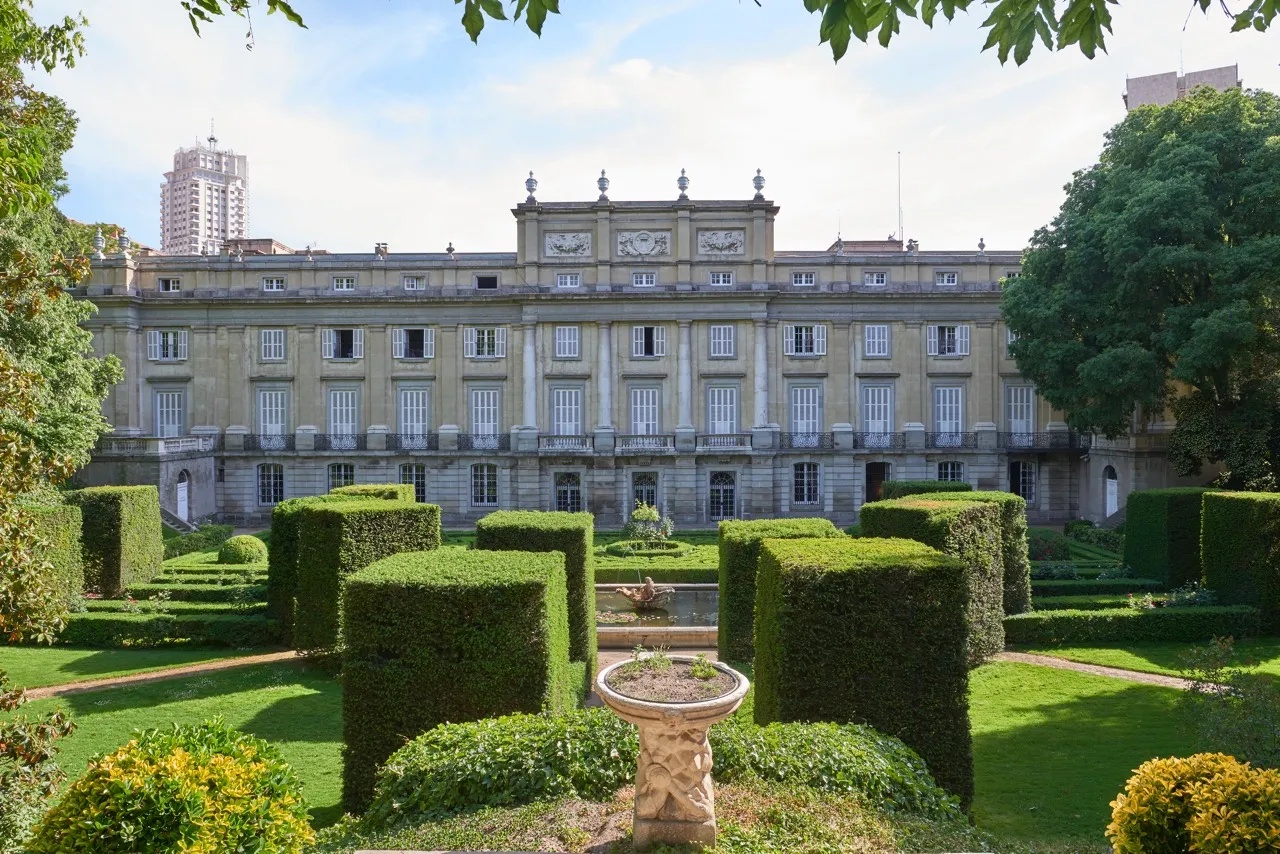
Palacio de Liria
The remarkable heritage of one of the most influential families in Spanish history.
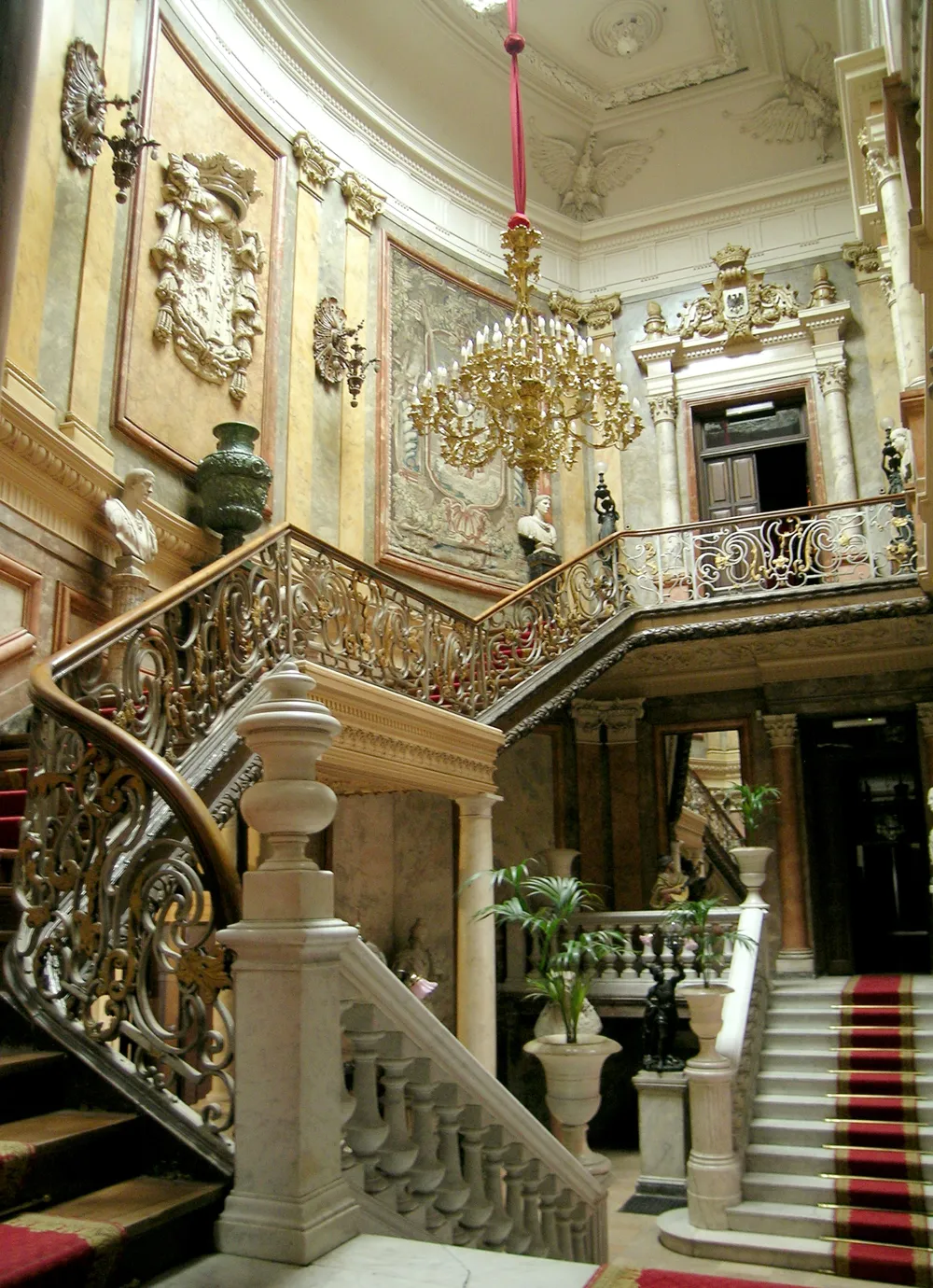
Cerralbo Museum
The House Built to Be a Museum
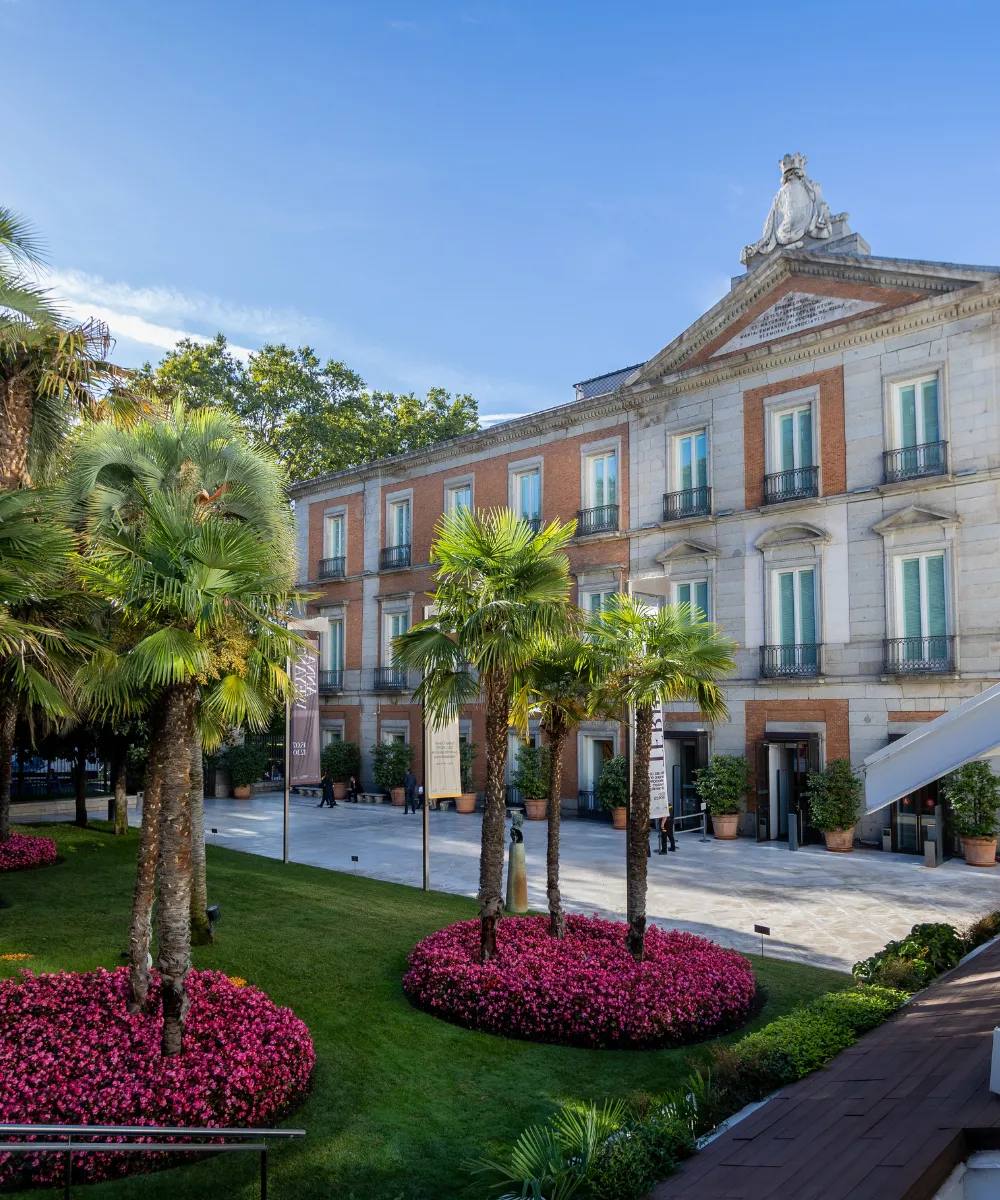
Thyssen-Bornemisza
From a family villa in Lugano to the heart of Paseo del Prado.
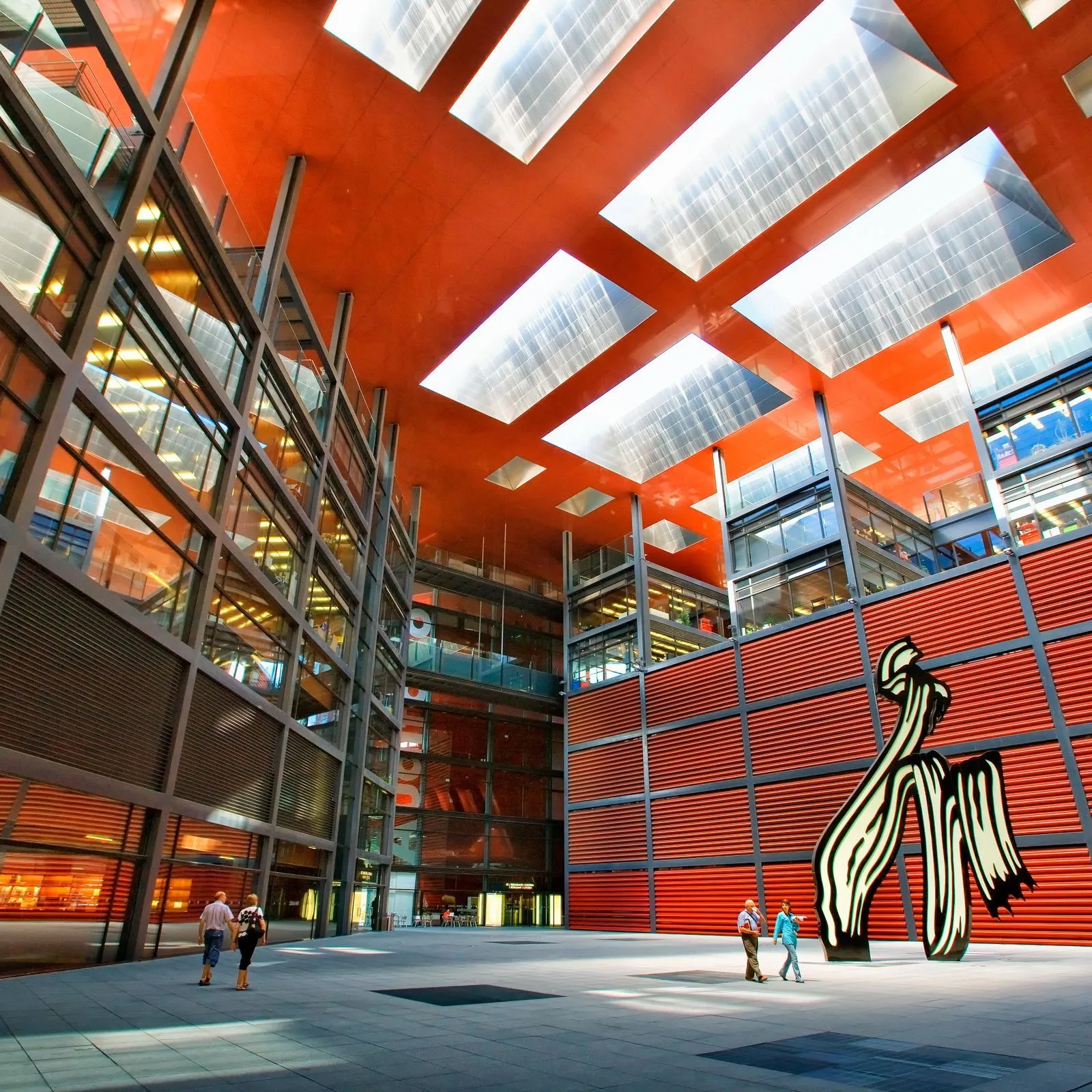
Reina Sofía Museum
From historic hospital to home of Picasso’s Guernica
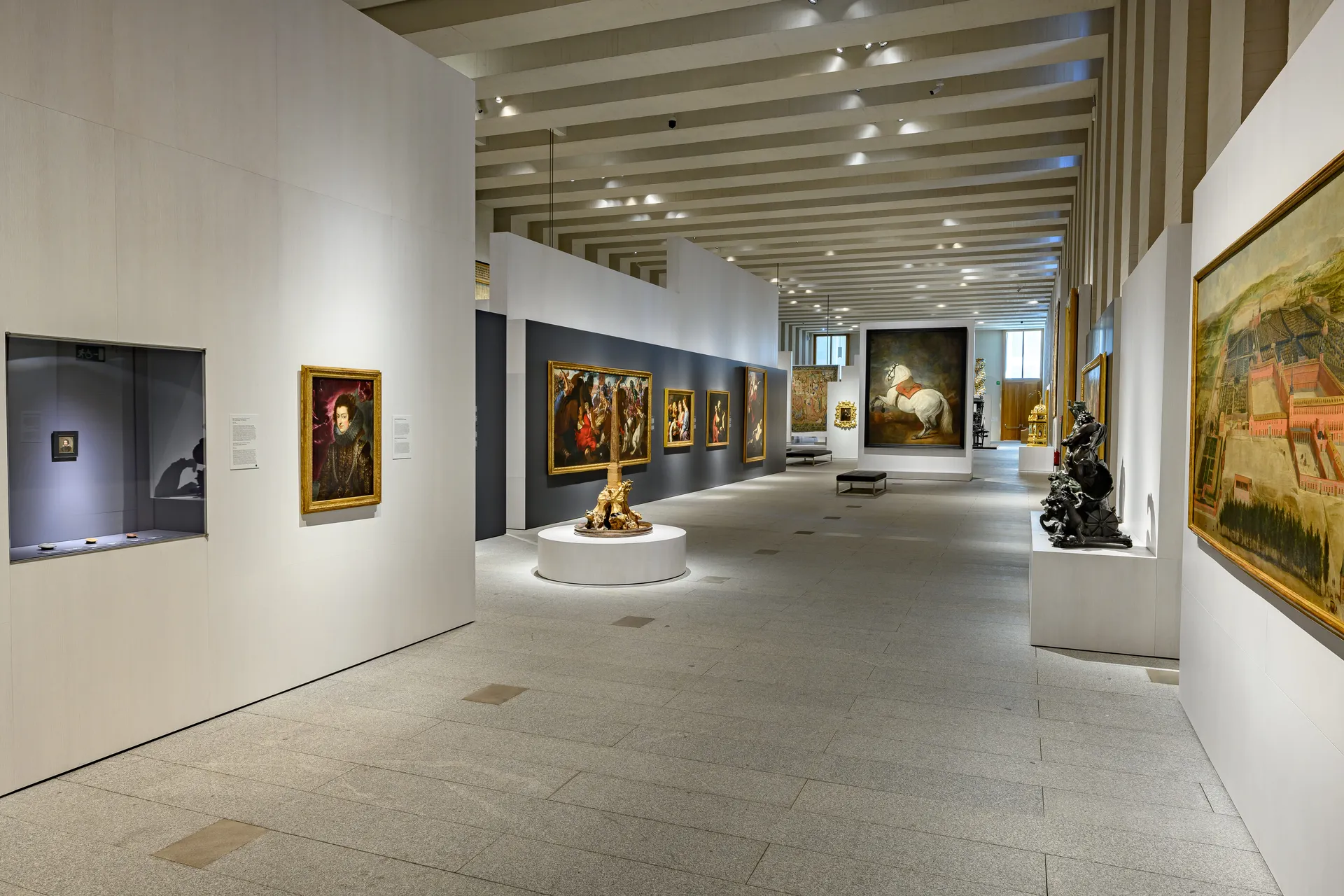
Galería de las Colecciones Reales
The museum that changed Madrid’s cultural landscape.
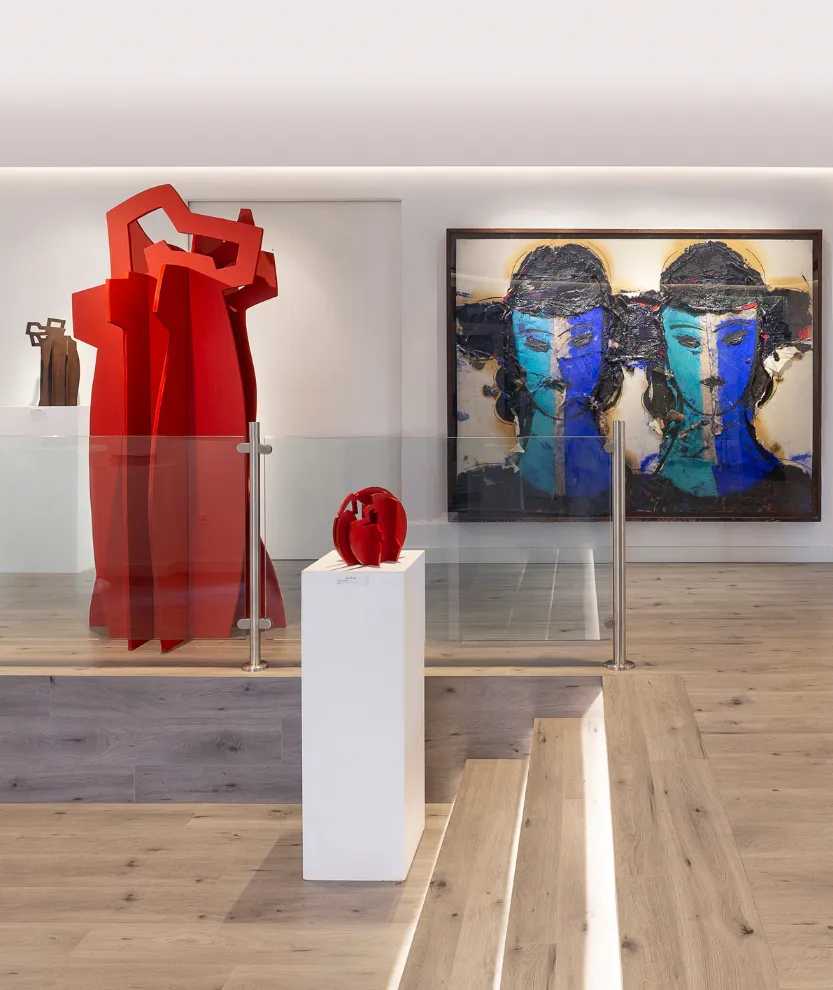
Galería María Porto & David Bardía
Where great masters and emerging talent share the same walls
Editor's Pick